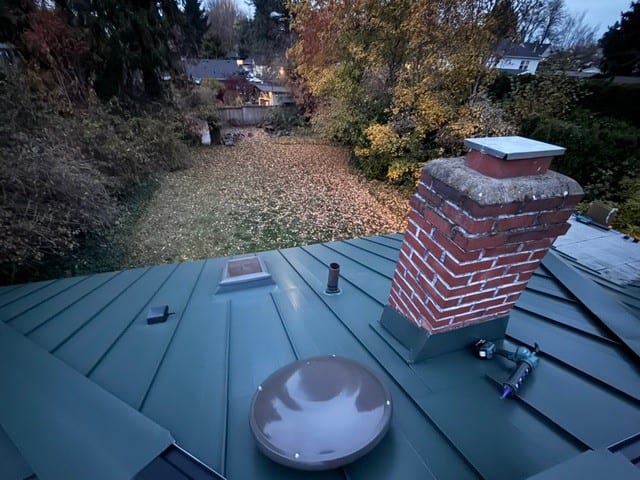
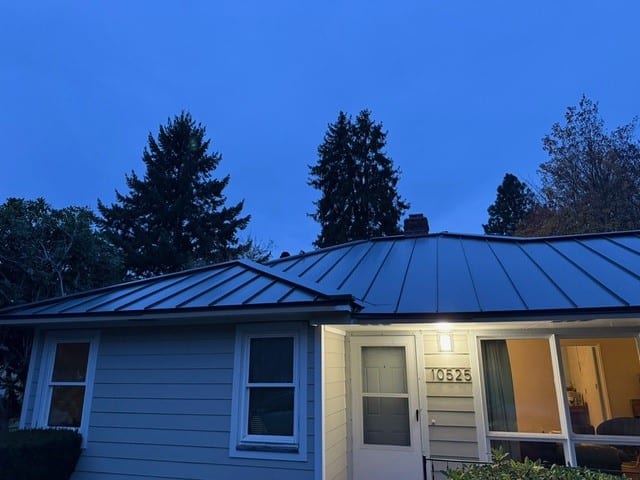
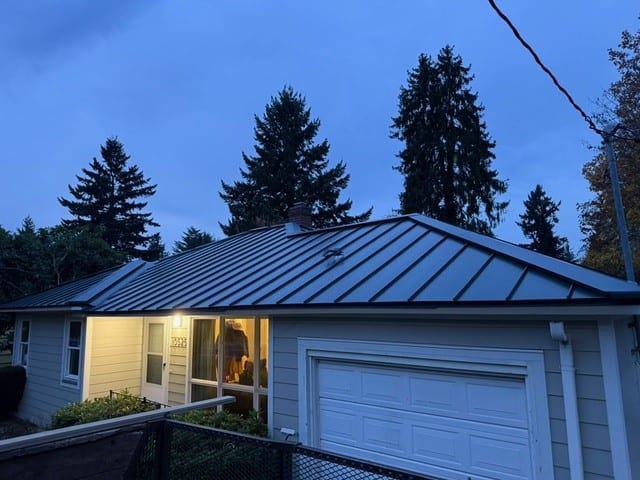
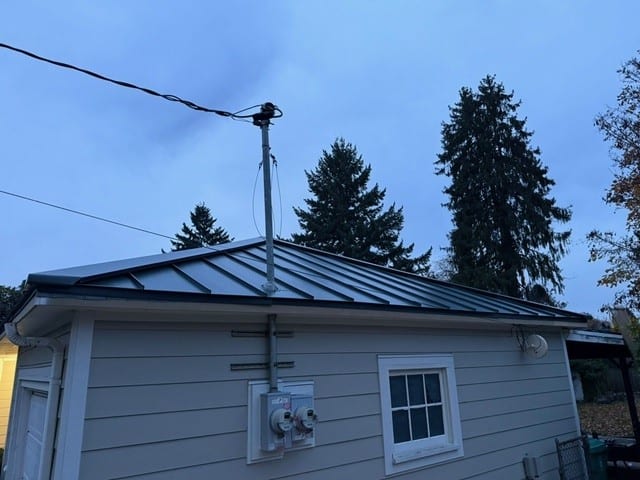
Portland, OR Standing Seam Metal Roof Review — Hunter Green 2025
Portland, OR
TL;DR: Portland Review Summary
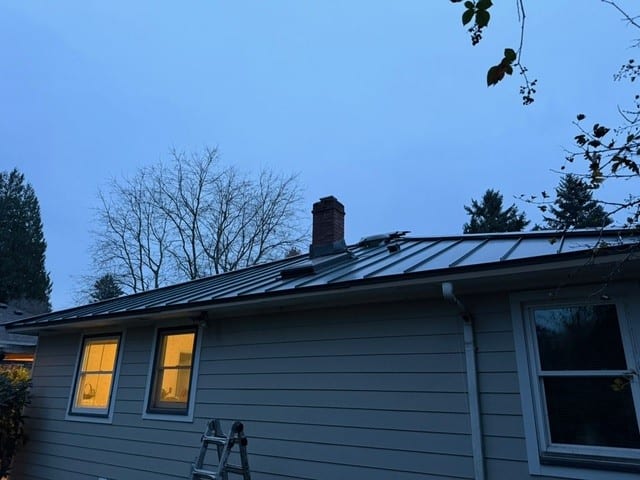
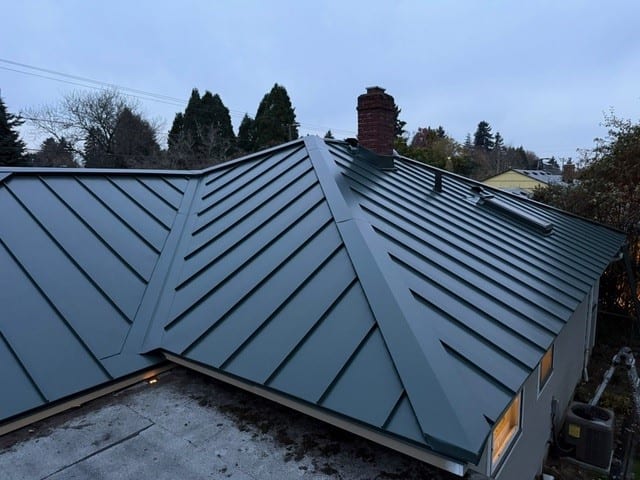
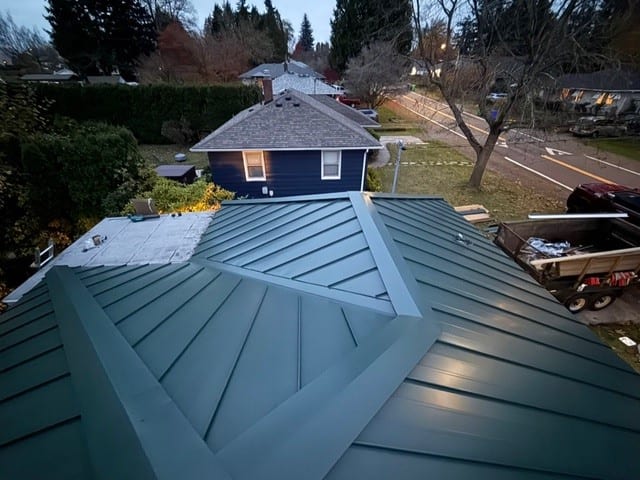
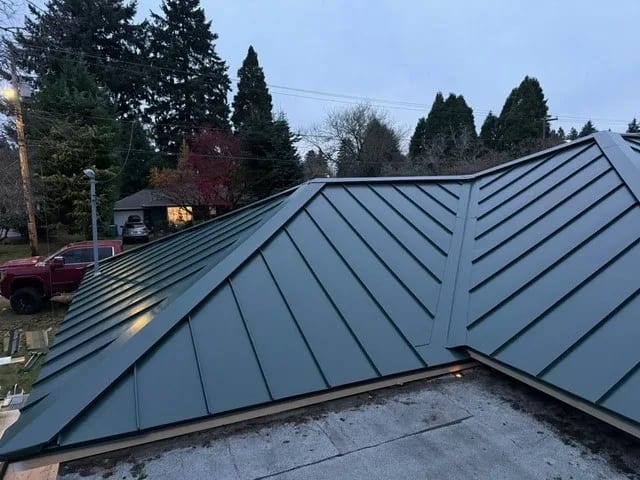
Roofing installation in Portland: the homeowner replaced old mossy asphalt shingles with dark Hunter Green standing seam metal. They love the result and praised the demo and install team as friendly and really excellent at their jobs.
It was time to replace the old mossy asphalt shingles. Standing seam metal in dark Hunter Green was the way to go. Love it! Demo and install team were friendly really excellent at their jobs.

Roof Details
Roof Installation Location: Portland, OR
Roof Installation Year: 2025
Roof Age: 0 years, 7 months, 10 days
Review Submitted: 0 years, 0 months, 19 days after completion date
Roof System: Interlock® Metal Roofing
Roof Material: Aluminum
Roof Color: n/a
Roof Coating: Alunar® Coating System
Roof Warranty: Lifetime Limited Warranty
Photos From This Project
Real photos of this exact installation in Portland, OR from the Interlock® photo gallery.
Local Interlock Roofing Company Near Portland
Interlock Metal Roofing (PNW) Inc.
Interlock Metal Roofing (PNW) Inc. is the official installer of the Interlock® Lifetime Roofing System in Oregon and the Pacific Northwest. Based in Portland and serving communities across the Portland Metro, Willamette Valley, Columbia River Gorge, Oregon Coast, and neighboring Washington markets, our team has protected thousands of homes with premium, rust-proof aluminum and solid copper roofing since 1997. We specialize exclusively in Interlock® Lifetime Metal Roofing profiles — Slate, Cedar Shingle, Shake, Mediterranean Tile, and Standing Seam — engineered for the Northwest’s heavy rain, wind, moss growth, and freeze-thaw cycles. Every roof is finished with the Alunar® Coating System for long-term color retention and energy efficiency, and is fully solar compatible. Homeowners choose Interlock Metal Roofing (PNW) Inc. for one reason: worry-free performance that lasts a lifetime. With award-recognized service and fully licensed installation in Oregon and Washington, we deliver the last roof you’ll ever need — backed by a lifetime limited warranty and the promise: Never Re-Roof Again.®
Explore Interlock® in Oregon
Top 10 Metal Roofing FAQs for Homeowners in Portland
Homeowners researching metal roofing in Portland often have several important questions before replacing their roof. Many people want to understand how metal roofing compares to traditional materials like asphalt shingles in terms of lifespan, durability, cost, and long-term value. Roofing decisions can also be influenced by local weather conditions. Homes in Portland may experience environmental factors such as rain, wind, snow, heat, fire, or seasonal storms that can impact roof performance over time. The following frequently asked questions help explain what homeowners should know when evaluating metal roofing and why many people choose durable roofing systems designed for long-term protection.
How long will a metal roof last in Portland, OR?
Metal roofs commonly last at least 50–75+ years, while asphalt shingles typically last 15–30 years depending on quality and exposure. Portland’s climate — roughly 35–37 inches of rain annually with wet, overcast winters and only a few measurable snow days — creates prolonged moisture exposure that speeds moss and algae growth on shaded roofs and can accelerate asphalt degradation. For homeowners here, two local factors matter most: persistent rainfall/coastal-influenced humidity that promotes moss and biological staining, and frequent winter wetting that stresses asphalt sealants. Metal roofing resists rot, biological growth, and repeated wetting better than asphalt, so many Portland homeowners choose durable metal systems for lower maintenance and longer service life. Interlock Metal Roofing systems use heavy‑gauge aluminum and carry a lifetime limited 50‑year transferable warranty designed for long‑term protection.
How much does it cost to install a metal roof in Portland, OR?
In Portland, OR, metal roofs generally cost more upfront than asphalt shingles. Final price varies with roof size and slope, complexity (multiple valleys, chimneys, skylights), whether a tear-off is required, flashing and accessory work, and local labor rates. Local construction factors — permit fees, contractor availability, and seasonal material delivery — can also affect cost in the Portland market. Because of these variables many homeowners compare options by lifetime value rather than initial price: metal roofing typically lasts longer, resists severe weather, and can lower long‑term repair and replacement expenses. Durable roofing systems often reduce ongoing maintenance and extend time between replacements, improving overall ownership cost. Interlock Metal Roofing focuses on long‑term ownership value and durability rather than competing as a low‑cost roofing option, so homeowners get systems designed to minimize future expenses and deliver lasting performance.
Should I choose metal roofing or asphalt shingles for my Portland home?
Portland’s high annual rainfall and persistent damp/shaded conditions that encourage moss and algae growth are key local factors when choosing a roof. Lifespan: metal roofs typically last 40–60+ years versus 15–25 years for asphalt shingles. Maintenance: metal needs occasional inspections and gutter clearing; asphalt requires more frequent moss/algae cleaning, patching, and shingle replacement. Durability: metal sheds heavy rain and resists rot, while asphalt can lose granules, trap moisture, and be vulnerable to algae and wind lift. Long-term value: metal’s higher upfront cost is often offset by longer service life, fewer repairs, and better life-cycle cost; asphalt has lower initial cost but higher replacement frequency. Homeowners who prioritize durability and long-term protection in Portland’s wet climate often choose metal. Interlock Metal Roofing systems appeal because their interlocking panels resist wind-driven rain and uplift, minimize maintenance in damp conditions, and provide long-term performance with attractive architectural curb appeal.
Are metal roofs noisy when it rains in Portland?
This is a common myth: modern residential metal roofs are not the loud, tinny barn roofs people imagine. When installed over solid decking with proper underlayment, insulation, and a ventilated attic, metal roofing’s rain sound is comparable to asphalt or tile. Sound depends on the roof assembly — insulation type, airspace, and ceiling finishes — and on installation quality; poorly fastened or unsupported panels can amplify noise. Properly installed residential metal roofs, including Interlock Metal Roofing systems which are supplied and installed as complete residential roofing systems, are typically similar in sound to other common roofing materials during rain. They are a quiet, durable option for Portland, OR homeowners.
How energy-efficient are metal roofs in Portland?
Yes—metal roofing can be energy efficient in Portland. Metal roofs reflect sunlight, reducing heat gain in summer, and when finished with reflective coatings they lower attic temperatures. Overall performance depends on the whole roof assembly: underlayment, insulation levels, and attic ventilation strongly influence heat transfer. Portland’s mild, wet winters and moderate summers mean reflective benefits are smaller than in hot climates, but improved insulation and ventilation still cut heating and cooling losses. Homeowners replacing roofs often consider energy efficiency to reduce utility bills, improve indoor comfort, qualify for incentives, and increase resale value. For long-term performance, Interlock Metal Roofing systems are engineered to work with proper assemblies and ventilation to support durable, energy-conscious homes.
How does metal roofing in Portland, OR withstand wind, hail, and severe weather?
Portland’s climate features long wet seasons, frequent heavy rain that raises moisture and leak risk, occasional strong windstorms that toss debris, and infrequent hail events—conditions that stress roofing systems. Metal roofing performs well in wind, resists uplift when panels and fasteners are engineered correctly, sheds water and snow, and can withstand hail better than many asphalt shingles when constructed from durable alloys and impact-rated profiles. Performance depends on system design, quality installation, and material durability—poor design or installation negates material advantages. Homeowners weigh weather resilience to protect structure, avoid leaks and costly repairs, preserve insurance coverage, and extend service life. Interlock Metal Roofing systems are engineered for durability, hail protection, and wind resistance, making them a strong option for Portland weather.
Will a metal roof rust or corrode in Portland's wet climate?
Corrosion and rust resistance are key for metal roofing in Portland, OR’s wet climate. Metal roofing performance depends on the base metal—steel, aluminum, and copper behave differently—so material choice affects longevity. Some metals, like aluminum and copper, form protective films and resist corrosion better than untreated steel. Aluminum performs especially well in wet or coastal environments because it’s naturally corrosion‑resistant and lightweight. Homeowners should prioritize corrosion resistance to avoid premature deterioration, leaks, and higher maintenance or replacement costs. Interlock Metal Roofing systems use aluminum construction designed for strong corrosion resistance. Interlock Metal Roofing Systems are additionally protected by the Alunar Coating System for extra protection, improving durability and helping protect your investment in Portland’s damp climate.
How often should I inspect and maintain my metal roof in Portland?
Metal roofs in Portland, Oregon are generally considered low maintenance and durable, resisting rot and many common roof problems. However, no roof is completely maintenance‑free; periodic inspections—after storms and seasonally—are important. Homeowners should check for accumulated debris, clear gutters, inspect flashing and sealant around chimneys, vents and other penetrations, and look for loose fasteners or scratched coatings. Heavy wind, falling branches, moss or leaf buildup and ice/mild freeze–thaw cycles can affect performance, so address issues promptly. With routine checks and minor upkeep, metal roofing provides a long‑lasting, low‑maintenance option well suited to Portland’s wet climate. A professional inspection every few years is recommended to preserve warranties and extend service life.
How does curb appeal affect my home's resale value in Portland?
In Portland, OR, metal roofing can increase a home's resale appeal and perceived value. Buyers often prioritize durable, low-maintenance roofs that reduce future repair costs, and premium roofing materials boost curb appeal. A long lifespan also improves buyer confidence, particularly in a climate with frequent rain. Compatibility with local architectural styles matters — a modern standing seam may suit contemporary neighborhoods, while slate or cedar profiles better complement historic areas. Interlock Metal Roofing systems offer multiple architectural profiles, including slate, cedar shingle, Mediterranean tile, shake, and standing seam, and are available in heavy-gauge aluminum and solid copper, providing aesthetic flexibility and lasting performance. Consult local contractors for Portland-specific permitting and design guidance.
Can I install solar panels on my Interlock Metal Roofing System in Portland?
Yes—Interlock Metal Roofing Systems can support solar panels when fitted with custom solar brackets installed by Interlock Metal Roofing (PNW) Inc. In Portland, frequent winter rain (about 36 inches/year) and humid, mild winters that encourage moss growth make durable, corrosion‑resistant roofing preferable, since moisture and biological growth affect mounting and maintenance. Roof lifespan is critical when adding solar—you want a long‑lasting roof to avoid removing panels for reroofing. Homeowners should explicitly consider future solar plans when selecting roofing materials and warranties. Interlock systems are solar‑compatible and engineered to accept secure solar mounting solutions, so long‑life metal roofs are often the preferred choice.