Metal Roofing in Cross Roads, Texas — Lifetime Interlock® Aluminum Shingles Installed Locally
Cross Roads Metal Roofing Experts Installing Lifetime Interlock® Aluminum Shingles Since 2014
Metal Roofing Built for Cross Roads's Heavy Rain, Snow Loads, Windstorms & Lifetime Protection
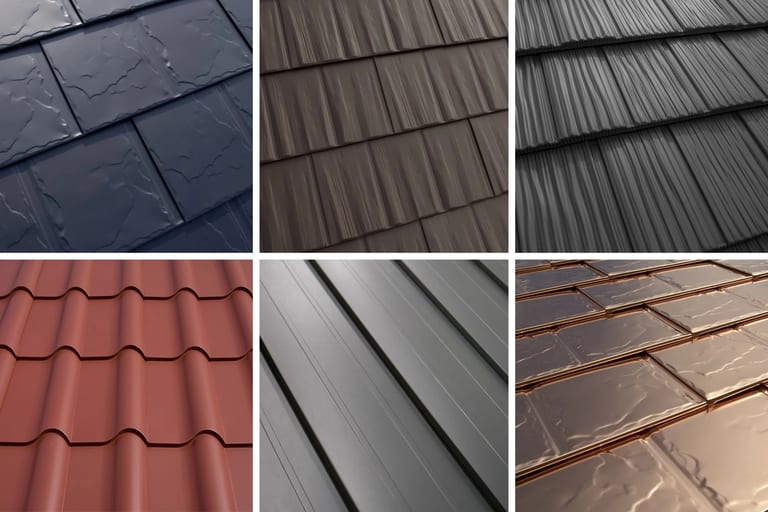
Interlock Roofing of America is a trusted metal roofing contractor and local installer serving homeowners in Cross Roads and throughout Cass County, Texas. Founded in 2014, we are the exclusive authorized installer of Interlock® lifetime aluminum roofing systems—engineered for performance, beauty, and durability—and offer roof replacement and re‑roofing services across Cross Roads. Interlock’s heavy‑gauge, fire‑resistant, energy‑efficient cool roofs are designed for snow‑shedding, hail and wind resistance during East Texas severe storms, and long‑term protection against hot, humid summers and occasional winter freezes common to Cass County’s humid subtropical climate. Choose the timeless look of slate, cedar shingles, shake, Mediterranean tile, or standing seam with the strength of metal—each roof is finished with the Alunar® Coating System and backed by a Lifetime Warranty.
Performance you can measure (all climates)

Weather Resistant
Tested to 193+ km/h (120 mph) winds

Durable
Lifetime-Limited, transferable warranty

Energy Efficient
Reflective cool-roof lowers cooling costs

Rain & Moisture Proof
Repels ~1207 mm of rain a year


Corrosion Resistant
Aluminum does not develop iron rust
- Authorized Interlock® Lifetime Aluminum Roofing Systems installer serving homeowners in Cross Roads, Texas
- Built for Cross Roads’ interior North Texas climate — prolonged summer heat, frequent severe thunderstorms, and high wind gusts
- Precision weatherproof seams (profiles: slate, cedar, shake, tile) and mechanical fastening (profile: standing seam) deliver long-term leak protection during wind-driven rain events
- Interlocking panel system tested to 120+ mph (193+ km/h) for severe windstorms and straight-line gusts common in Denton County-area storms
- Aluminum is Coated with the Alunar® Coating System (no visible aluminum surface) for durable color retention in intense sunlight
- Class A fire-rated available for added ember and wildfire-risk protection during dry, windy conditions
- UL 2218 Class 4 impact resistance to reduce damage from hail and windborne debris during Texas storm seasons
- Engineered seams and fasteners minimize leak risk in heavy convective rainfall and flash-flood-producing storms
- Snow-shedding metal panels reduce buildup and help prevent ice dams during rare freeze–thaw events in the Cross Roads area
- Reflective, energy-efficient surfaces lower attic temperatures and reduce cooling load during North Texas heat waves
- Solar-compatible framing for modern bracket-mounted photovoltaic systems commonly installed on Texas homes
- Corrosion-resistant finish suited to inland environments — resists moisture-driven degradation after intense storms
- Low-maintenance system that outlasts asphalt shingles under Cross Roads’ cycles of heat, sun, and storm exposure
- Sustainable, fully recyclable aluminum roofing for homeowners prioritizing long-term environmental performance
- Backed by a Lifetime-Limited transferable warranty for durable protection and resale value in Cross Roads neighborhoods
Metal roofing built for Cross Roads's climate
Averages (10-yr): ~1207 mm rain and 4 cm snow per year, ~3434 sunshine hours, mean 19.4°C, typical daily-max winds ~21 km/h with gusts to 97 km/h, and ~18 freeze–thaw days per year.
- 4 cmavg. snow / year
- 1207 mmavg. rain / year
- 18freeze–thaw days / year
- 97 km/hpeak wind gusts
- 3434 hrsannual sunshine
- 19.4°Cmean temperature
Roof performance depends on the selected profile, tested assembly, roof structure and installation details. Class A fire-rated assemblies are available. Confirm applicable ratings in the testing reports and review the limited warranty before selecting a system.
Interlock Roofing of America
- Texas
- Phone 1-866-733-5811
- Toll-Free 1-866-733-5811
- Customer Service sales@texasroofing.systems
- www.TexasRoofing.Systems
- Serving Texas since 2014 — 12 years
Interlock Roofing of America is a leading provider of premium metal roofing systems, delivering durable, energy-efficient solutions through a nationwide network of certified local contractors. Built on decades of manufacturing expertise, the company specializes in high-performance aluminum roofing designed to withstand harsh weather conditions while enhancing the long-term value and appearance of residential properties. Rather than operating as a traditional contractor, Interlock Roofing of America partners with carefully vetted, factory-trained installers in local markets. This model ensures homeowners receive both the strength of a proven, engineered roofing system and the personalized service of a trusted local professional. Every project is completed to strict installation standards, maintaining consistency, quality, and long-term performance across all regions. Interlock’s roofing systems are engineered to address the unique climate challenges found across Texas and beyond—including extreme heat, heavy rain, hail, and high winds. With a focus on longevity and low maintenance, their metal roofing solutions offer a sustainable alternative to traditional materials, often backed by comprehensive warranties for added peace of mind. At its core, Interlock Roofing of America is committed to combining advanced manufacturing, certified local expertise, and customer-first service—delivering roofing systems built to last a lifetime.
Get a Free Metal Roof Estimate in Cross Roads, Texas
Interlock® Aluminum Roofing — all-climates performance specs for Cross Roads, Texas
| Spec / Rating | Climate / Risk Factor + What It Solves |
|---|---|
| Wind resistance: 120+ mph (193+ kph) | Extreme wind, hurricanes, storm uplift: full interlocking attachment helps prevent blow-offs, edge lifting, and panel loss in high-gust events. |
| Fire rating: Class A (with proper assembly) | Wildfire, embers, radiant heat, chimney sparks: non-combustible roof assembly provides the highest residential fire protection rating. |
| Hail resistance: UL 2218 Class 4 | Hail and impact debris: highest impact classification; resists cracking, splitting, and surface loss common with asphalt under hail strikes. |
| Snow & ice performance: interlocking, shedding profile | Heavy snow, freeze-thaw, ice dams: smooth aluminum sheds snow efficiently and the interlocking design helps block water intrusion when melt-refreeze cycles occur. (Final snow-load capacity depends on roof structure and local code.) |
| Corrosion resistance: aluminum (won’t rust) | Salt air, coastal humidity, wet climates: aluminum naturally resists rust and corrosion, reducing long-term failure risk in marine or high-moisture environments. |
| Heat / UV durability: baked-on coating system | High heat, intense sun, thermal cycling: coatings resist UV breakdown and temperature-swing fatigue, slowing fading and surface degradation. |
| Moss / algae resistance: smooth coated surface | Wet shade, organic growth: low-porosity metal surface gives moss/algae less to grip, reducing staining and maintenance. |
| Material: heavy-gauge aluminum roof profiles (Slate / Shake / Shingle / Tile / Standing Seam) | All-season structural stability: lightweight, dent-resistant metal system stays stable through large hot-cold swings and severe weather. |
| Expected lifespan: 50+ years | Long-term durability across climates: avoids re-roof cycles typical of shorter-life materials, even in high-stress environments. |
| Warranty: Lifetime-Limited, non-prorated + 50-year transferable | Lifetime protection + resale value: guarantees long-term material confidence and transfers to future owners. |
Available Profiles in Cross Roads, Texas:
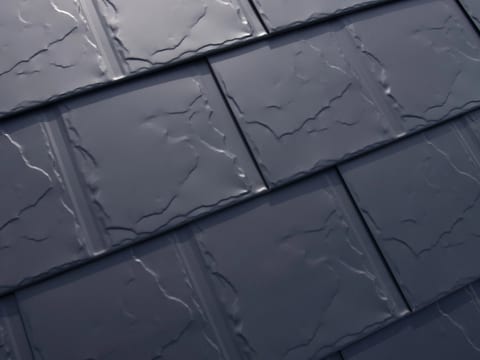
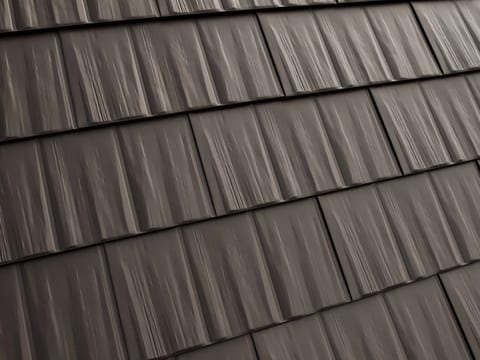
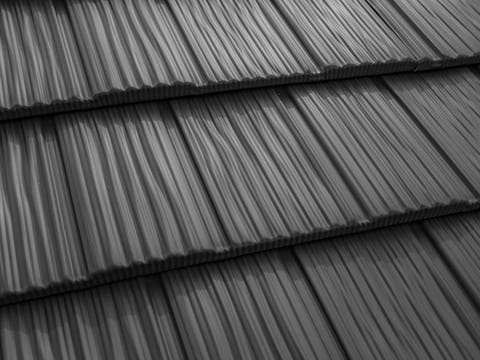
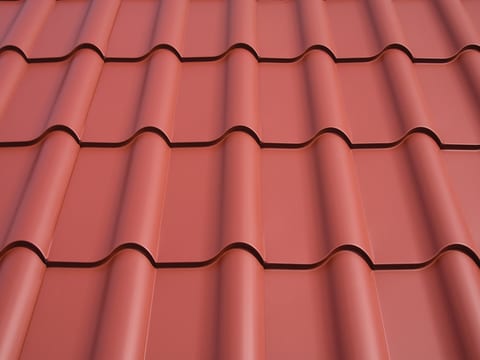
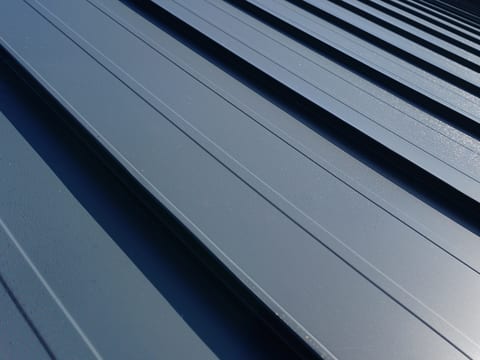

Explore all Interlock® metal roofing systems, or see the Guardian lifetime warranty and independent testing reports.
Completed Interlock® metal roofs near Cross Roads, TX
Every marker is a real, anonymized Interlock® aluminum roof completed by an Interlock Installer. Explore verified Interlock® installations near Cross Roads, Texas, United States on the interactive project map and photo grid — filter by roof profile (Slate, Cedar Shingle, Shake, Mediterranean Tile, Standing Seam, Solid Copper), colour and year of completion.
Open Cross Roads on the interactive project map →Browse all Interlock® projects in Texas →See more Interlock® projects →
Nearby service areas in Cass County
Interlock® metal roofing is also installed in these communities near Cross Roads: