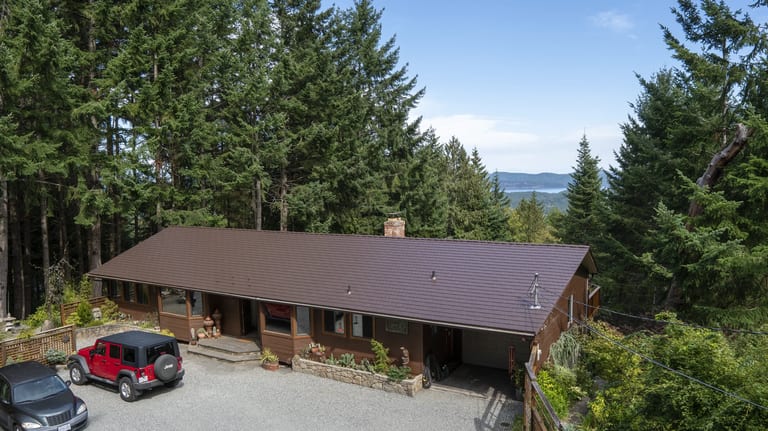
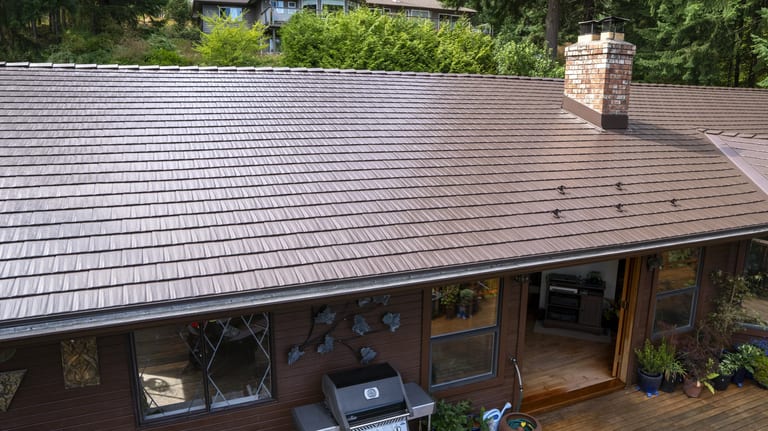
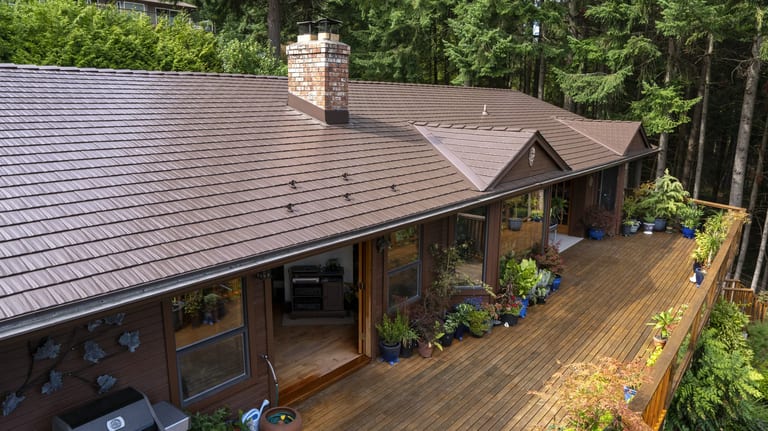
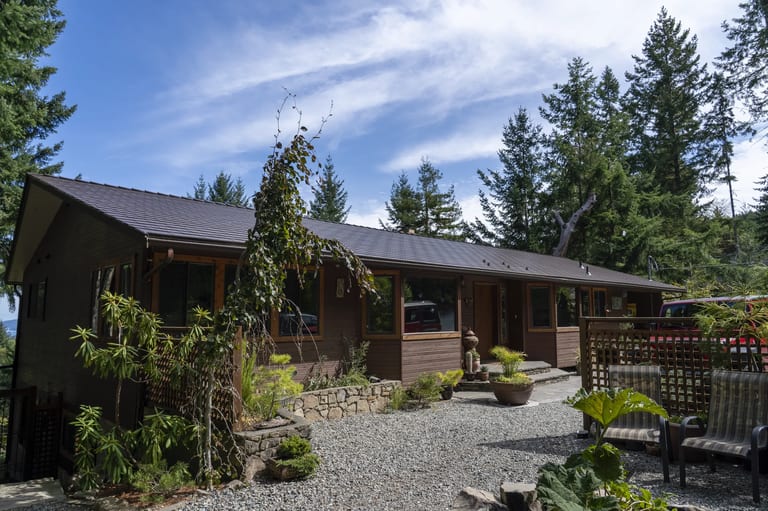
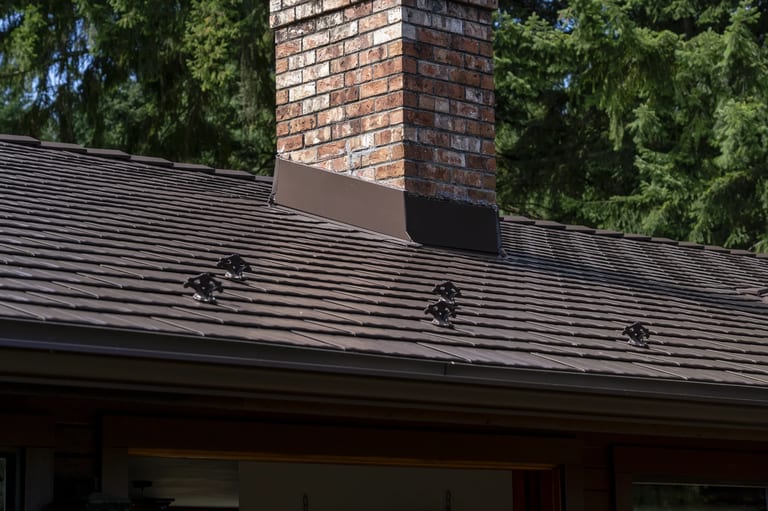
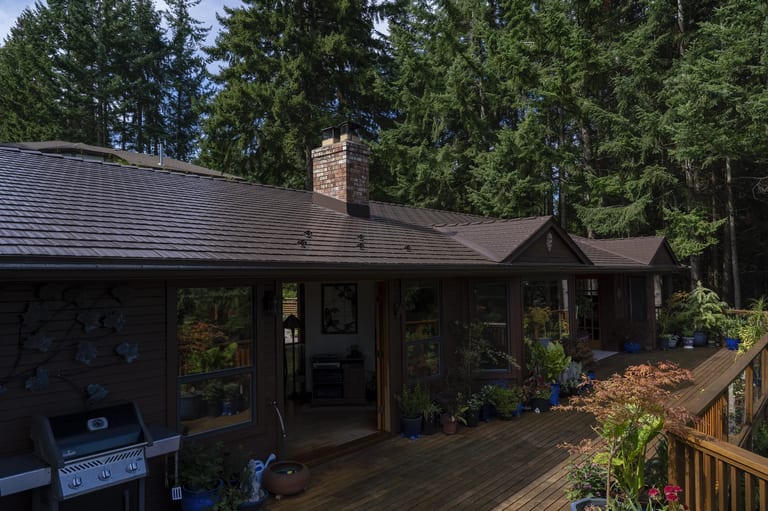
Salt Spring Island, BC Metal Shingle Review - 2019 Delivery Delay

Salt Spring Island, BC

★★★★★
AI insights
Cleanliness & Site ManagementWork Quality & CraftsmanshipStaff Professionalism & CourtesyMaterials & Product Quality

This roofing installation in Salt Spring Island was marked by same-day notification about material delivery. The homeowner reported the phone call about delivery came the same day as delivery and said they would have preferred at least a day or two advance notice.

Detailed Ratings

Sales Punctuality

★★★★★ Strongly agree

Sales Knowledge

★★★★★ Strongly agree

Employees Professionalism

★★★★★ Strongly agree

Communication

★★★★★ Strongly agree

Installation Crew

★★★★★ Strongly agree

Quality Of Materials

★★★★★ Strongly agree

Quality Of Workmanship

★★★★★ Strongly agree

Clean & Safe

★★★★★ Strongly agree

Professional Completion

★★★★★ Strongly agree

Problem Resolution

★★★★★ Strongly agree

Schedule

★★★★★ Strongly agree

Likely To Recommend

★★★★★ Strongly agree

Roof Details

Roof Installation Location: Salt Spring Island, BC

Roof Installation Year: 2019

Roof Age: 7 years, 1 month, 22 days

Review Submitted: 0 years, 0 months, 24 days after completion date

Roof System: InterlockÂŽ Cedar Shingle Metal Roofing

Roof Color: Colonial Brown

Local Interlock Roofing Company Near Salt Spring Island

Interlock Metal Roofing (BC) Ltd.

Interlock Metal Roofing (BC) Ltd. has been protecting Metro Vancouver homes since 1983, delivering premium aluminum roofing systems designed for the West Coast’s rainy climate and coastal challenges. From Vancouver to Burnaby, Coquitlam, and Richmond, our roofs are engineered to resist corrosion, moss, and heavy rainfall—while enhancing curb appeal and property value. As a BBB A+ accredited company and one of Canada’s most trusted metal roofing installers, we offer homeowners lifetime protection, energy efficiency, and peace of mind.

Explore InterlockÂŽ in British Columbia

Top 10 Metal Roofing FAQs for Homeowners in Salt Spring Island

Homeowners researching metal roofing in Salt Spring Island often have several important questions before replacing their roof. Many people want to understand how metal roofing compares to traditional materials like asphalt shingles in terms of lifespan, durability, cost, and long-term value. Roofing decisions can also be influenced by local weather conditions. Homes in Salt Spring Island may experience environmental factors such as rain, wind, snow, heat, fire, or seasonal storms that can impact roof performance over time. The following frequently asked questions help explain what homeowners should know when evaluating metal roofing and why many people choose durable roofing systems designed for long-term protection.

How long will a metal roof last in Salt Spring Island, BC?

Metal roofs commonly last at least 50–75+ years; asphalt roofs typically last 15–30 years and generally need replacement sooner. Salt Spring Island has a mild, Mediterranean‑like climate with most precipitation in winter and moderate annual rainfall, not heavy snowfalls, which reduces snow‑load concerns but increases wet, coastal exposure for roofs.\nCoastal moisture, frequent winter rain and shaded, humid spots encourage moss and algae that shorten asphalt shingle life and can degrade underlayments, while wind and seasonal storms test fasteners and seams—conditions that favour more durable metal systems.\nFor Salt Spring homeowners comparing materials, durable metal offers longer service life, lower lifetime maintenance and better resistance to coastal moisture and biological growth. Interlock Metal Roofing systems use heavy‑gauge aluminium and include a lifetime limited 50‑year transferable warranty for long‑term protection.

How much does it cost to install a metal roof in Salt Spring Island, BC?

Metal roofs on Salt Spring Island usually cost more up front than asphalt shingles, but total cost depends on roof area, pitch, complexity (ridges, valleys, skylights), tear‑off, flashing details and local labour rates. A wet, mild Gulf Islands climate—with roughly 1,200–1,500 mm of annual precipitation—means installers may need extra underlay, venting and corrosion‑resistant fastenings to manage moisture and runoff. Coastal moisture, sea‑spray and an increased risk of intense storms also promote moss growth and demand robust flashings and fast installation to avoid future leaks and damage. Many homeowners compare options by lifetime value — durable metal systems often cut long‑term repair and replacement costs despite higher initial price. Interlock Metal Roofing emphasises long‑term ownership value and durability rather than competing as the lowest‑cost option.

Should I choose metal roofing or asphalt shingles for my Salt Spring Island home?

Short answer: often yes — for Salt Spring Island homeowners who prioritise long-term protection and low upkeep, metal roofing is frequently worth the higher upfront cost. Lifespan: metal roofs last 50+ years; typical asphalt shingles last ~20–30 years. Maintenance: metal needs occasional debris clearing and fastener checks; shingles require more frequent replacement, moss treatment and spot repairs. Durability: metal resists rot, coastal moisture and wind better; asphalt can trap moisture and encourages moss in shady, damp conditions common on the Gulf Islands. Long-term value: higher initial cost for metal but lower life‑cycle costs and fewer replacements—so better value over decades for many owners. Local factors: Salt Spring’s mild, maritime climate with wet winters and persistent coastal humidity increases moss growth and moisture exposure, making durability and low‑maintenance roofing more attractive. Interlock Metal Roofing appeals because it delivers proven 50+ year performance, weather resistance and architectural curb appeal for homeowners seeking lasting protection.

Are metal roofs noisy when it rains in Salt Spring Island?

This is a common myth: metal roofs are noisy in rain. On Salt Spring Island the cool, Mediterranean‑like climate brings wet winters, coastal humidity and moss‑prone conditions that affect roofing performance. Modern residential metal roofs installed over solid decking do not sound like barn roofs — insulation, attic volume and the whole roof assembly absorb and dampen rain noise. Installation quality (underlayments, fastening method, air gaps) matters. Properly installed residential metal roofs typically have a similar sound level to asphalt or tile. Interlock Metal Roofing systems are supplied and installed as complete residential roofing systems designed with these details in mind.

How energy-efficient are metal roofs in Salt Spring Island?

Yes — a metal roof can be energy efficient on Salt Spring Island. Metal roofing reflects sunlight, reducing summer heat gain, and a light-coloured, reflective finish maximizes that effect. True energy performance depends on roof assembly, insulation levels and attic ventilation rather than the cladding alone. Salt Spring’s mild, wet winters with coastal moisture and common moss growth, plus moderate summer sun, mean reflective gains are useful but moderate; good ventilation and insulation are crucial to control condensation and maintain comfort. Homeowners researching replacements weigh energy savings to lower bills, improve comfort and boost resale value. Interlock Metal Roofing systems are designed to support long‑term home performance.

How does metal roofing in Salt Spring Island, BC withstand wind, hail, and severe weather?

Salt Spring Island roofs face wet, mild winters with significant coastal precipitation that promotes persistent moisture and moss growth, and occasional strong outflow/wind‑storm events that create atypical gusts on the Gulf Islands. Metal roofing performs well in heavy rain and coastal moisture—it sheds water, resists rot and algae better than many shingles, and is low‑maintenance. In high winds and storms, performance depends on: • roofing system design • installation quality • material durability. Properly specified metal panels and fastenings resist uplift; thicker profiles and impact‑rated finishes offer improved hail protection. Homeowners weigh weather resilience because local rain, moisture and wind exposure drive longevity, maintenance needs and insurance risk. Interlock Metal Roofing systems are engineered for durability, hail protection and wind resistance when installed per manufacturer specifications, making them a strong option for Salt Spring Island conditions.

Will a metal roof rust or corrode in Salt Spring Island's wet climate?

FAQ — How resistant is metal roofing to corrosion on Salt Spring Island, BC? Metal roofing performance depends on the metal: some alloys and coatings resist corrosion far better than plain steel. Salt Spring Island gets roughly 1,480 mm of precipitation a year and has maritime exposure—conditions that bring coastal moisture, occasional salt spray and encourage moss growth, all of which increase corrosion and maintenance needs. Homeowners should prioritise corrosion resistance to reduce long‑term leaks, maintenance and premature replacement. Aluminium (spelt aluminium in Canada) performs well in wet, coastal environments because it forms a protective oxide film. Interlock Metal Roofing systems use aluminium construction engineered for strong corrosion resistance and are protected by the Alunar Coating System for extra protection.

How often should I inspect and maintain my metal roof in Salt Spring Island?

Metal roofing is generally low maintenance and well suited to Salt Spring Island’s wet, mild coastal climate, which sees significant annual rainfall and persistent coastal moisture that encourage moss/organic build‑up and corrosion risk. No roof is maintenance‑free: homeowners should inspect roofs twice yearly and after storms. Remove debris, check and clean gutters, clear valleys, and inspect flashing and penetrations (vents, skylights, chimneys). Seasonal leaf fall, windstorms or salt spray can increase moss growth and gutter blockages, affecting performance. With proper inspection and prompt minor repairs, metal remains a durable, long‑lasting, low‑maintenance option. Consider a coated steel or aluminium finish for extra corrosion resistance and to limit moss adhesion.

How does curb appeal affect my home's resale value in Salt Spring Island?

Salt Spring’s cool “Mediterranean” microclimate brings wet, mild winters and dry summers; coastal moisture and shaded, damp conditions encourage moss growth and persistent roof wetness—important when comparing materials. Yes — metal roofing can increase home value here. Buyers value durable, low‑maintenance roofs that resist moss, rot and coastal dampness; premium materials also enhance curb appeal, and long lifespans improve buyer confidence. Architectural style matters by neighbourhood, so choose a profile that fits. Interlock Metal Roofing systems offer multiple architectural profiles — slate, cedar shingle, Mediterranean tile, shake and standing seam — and are available in heavy‑gauge aluminium and solid copper, letting you match aesthetics while prioritizing durability.

Can I install solar panels on my Interlock Metal Roofing System in Salt Spring Island?

Yes. Interlock Metal Roofing Systems are compatible with solar panels when fitted with custom solar brackets installed by Interlock Metal Roofing (BC) Ltd. Salt Spring Island’s higher winter rainfall and coastal moisture (which can encourage moss and corrosion) make a durable, corrosion‑resistant roof and well‑sealed brackets important for long‑term performance. Climate projections also note more intense storms, so secure mounting matters. Because solar adds weight and wind loads, roof lifespan is critical—choose long‑lasting materials and consider future solar when replacing a roof. Interlock systems are designed to support solar mounting solutions and are often preferred by homeowners comparing roofing materials on Salt Spring Island.

More metal roofing in British Columbia →

Last updated: