Metal Roofing in Coal Center, Pennsylvania — Lifetime Interlock® Aluminum Shingles Installed Locally
Coal Center Metal Roofing Experts Installing Lifetime Interlock® Aluminum Shingles Since 2014
Metal Roofing Built for Coal Center's Heavy Rain, Snow Loads, Windstorms & Lifetime Protection
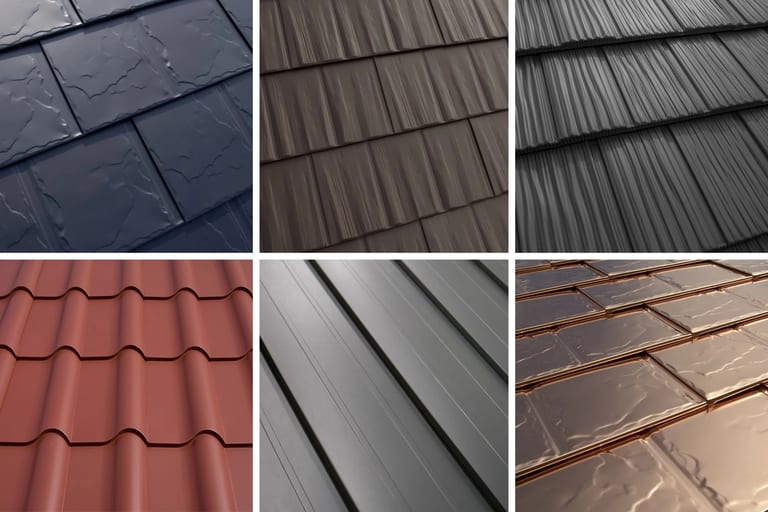
Interlock Roofing of America, founded in 2014, is a trusted metal roofing contractor and the exclusive authorized installer of Interlock® Lifetime aluminum roofing systems serving homeowners in Coal Center, Pennsylvania, in Washington County. Our heavy-gauge, fire-resistant Interlock Lifetime Roofing System—protected by the energy-efficient Alunar® Coating System and backed by a Lifetime Warranty—delivers cool-roof performance that sheds heavy winter snow, resists ice-dam and freeze–thaw damage, withstands high winds, and holds up to seasonal rain and UV exposure. We provide roof replacement and re-roofing across Coal Center with timeless looks—slate, cedar shingles, shake, Mediterranean tile, or standing seam—combining the beauty of traditional materials with the long-term durability and low maintenance of metal.
Performance you can measure (all climates)

Weather Resistant
Tested to 193+ km/h (120 mph) winds

Durable
Lifetime-Limited, transferable warranty

Energy Efficient
Reflective cool-roof lowers cooling costs

Freeze–Thaw Durable
Endures ~78 freeze–thaw days a year
Rain & Moisture Proof
Repels ~1184 mm of rain a year

- Available through authorized Interlock installers serving Coal Center and Washington County for local code compliance and roof-system support
- Designed for Coal Center’s inland climate: heavy snow loads and repeated freeze–thaw cycles common in southwestern Pennsylvania
- Precision weatherproof seams (profiles: slate, cedar, shake, tile) and mechanical fastening (profile: standing seam) deliver long-term leak protection during wind-driven rain events
- Aluminum panels are coated with the Alunar® Coating System (no visible aluminum surface) for durable finish performance on river-valley homes in Coal Center
- Corrosion-resistant finish resists road‑salt and winter de‑icing exposure around Washington County roadways and bridges
- Tested wind performance to 193+ km/h (120+ mph) to withstand severe gusts and thunderstorm-driven winds that impact the Monongahela River corridor
- Snow‑shedding panel geometry reduces buildup and lowers ice‑dam risk during Coal Center’s heavy snow and spring-thaw periods
- Constructed to tolerate frequent wet–dry cycles and freeze–thaw movement without cracking or loss of weatherproofing
- Class A fire-rated available for added assurance, particularly for properties near wooded parcels in Washington County
- UL 2218 Class 4 impact resistance protects against hail, falling limbs, and storm debris common in regional storms
- Cool‑roof performance helps limit attic heat gain during summer heat waves and improves year‑round thermal stability
- Solar-compatible roof surface engineered for modern bracket‑mounted photovoltaic systems on Coal Center homes
- Alunar® finish and sloped metal panels reduce moss and biological growth on shaded, moisture‑prone roofs along the Monongahela River
- Fully recyclable aluminum construction supports long-term sustainability goals for Washington County homeowners
- Low‑maintenance roofing designed to outlast asphalt shingles in Coal Center’s high‑moisture, seasonal‑freeze environment, backed by a Lifetime‑Limited transferable warranty
Metal roofing built for Coal Center's climate
Averages (10-yr): ~1184 mm rain and 58 cm snow per year, ~2986 sunshine hours, mean 11.6°C, typical daily-max winds ~16 km/h with gusts to 102 km/h, and ~78 freeze–thaw days per year.
- 58 cmavg. snow / year
- 1184 mmavg. rain / year
- 78freeze–thaw days / year
- 102 km/hpeak wind gusts
- 2986 hrsannual sunshine
- 11.6°Cmean temperature
Roof performance depends on the selected profile, tested assembly, roof structure and installation details. Class A fire-rated assemblies are available. Confirm applicable ratings in the testing reports and review the limited warranty before selecting a system.
Interlock Roofing of America
- Pennsylvania
- Phone 1-866-733-5811
- Toll-Free 1-866-733-5811
- Customer Service sales@metalroofinghomes.com
- www.MetalRoofingHomes.com
- Serving Pennsylvania since 2014 — 12 years
Interlock Roofing of America is a leading provider of premium metal roofing systems, delivering durable, energy-efficient solutions to homeowners across Pennsylvania through a network of certified local contractors. With decades of manufacturing expertise, the company specializes in high-performance aluminum roofing designed to handle the state’s varied climate while enhancing long-term home value and curb appeal. Rather than operating as a traditional contractor, Interlock Roofing of America partners with factory-trained, locally based installers throughout Pennsylvania. This ensures every project is completed to strict quality standards while providing homeowners with the personalized service and regional expertise of a trusted local professional. Interlock’s roofing systems are engineered to perform in Pennsylvania’s demanding conditions, including heavy snow, ice buildup, wind-driven rain, and seasonal temperature fluctuations. Their aluminum roofing solutions are built for longevity, energy efficiency, and low maintenance—offering a reliable, long-term alternative to traditional roofing materials and often backed by comprehensive warranties. By combining advanced manufacturing, certified local installation, and a customer-first approach, Interlock Roofing of America delivers roofing systems designed to protect Pennsylvania homes for decades.
Get a Free Metal Roof Estimate in Coal Center, Pennsylvania
Interlock® Aluminum Roofing — all-climates performance specs for Coal Center, Pennsylvania
| Spec / Rating | Climate / Risk Factor + What It Solves |
|---|---|
| Wind resistance: 120+ mph (193+ kph) | Extreme wind, hurricanes, storm uplift: full interlocking attachment helps prevent blow-offs, edge lifting, and panel loss in high-gust events. |
| Fire rating: Class A (with proper assembly) | Wildfire, embers, radiant heat, chimney sparks: non-combustible roof assembly provides the highest residential fire protection rating. |
| Hail resistance: UL 2218 Class 4 | Hail and impact debris: highest impact classification; resists cracking, splitting, and surface loss common with asphalt under hail strikes. |
| Snow & ice performance: interlocking, shedding profile | Heavy snow, freeze-thaw, ice dams: smooth aluminum sheds snow efficiently and the interlocking design helps block water intrusion when melt-refreeze cycles occur. (Final snow-load capacity depends on roof structure and local code.) |
| Corrosion resistance: aluminum (won’t rust) | Salt air, coastal humidity, wet climates: aluminum naturally resists rust and corrosion, reducing long-term failure risk in marine or high-moisture environments. |
| Heat / UV durability: baked-on coating system | High heat, intense sun, thermal cycling: coatings resist UV breakdown and temperature-swing fatigue, slowing fading and surface degradation. |
| Moss / algae resistance: smooth coated surface | Wet shade, organic growth: low-porosity metal surface gives moss/algae less to grip, reducing staining and maintenance. |
| Material: heavy-gauge aluminum roof profiles (Slate / Shake / Shingle / Tile / Standing Seam) | All-season structural stability: lightweight, dent-resistant metal system stays stable through large hot-cold swings and severe weather. |
| Expected lifespan: 50+ years | Long-term durability across climates: avoids re-roof cycles typical of shorter-life materials, even in high-stress environments. |
| Warranty: Lifetime-Limited, non-prorated + 50-year transferable | Lifetime protection + resale value: guarantees long-term material confidence and transfers to future owners. |
Available Profiles in Coal Center, Pennsylvania:
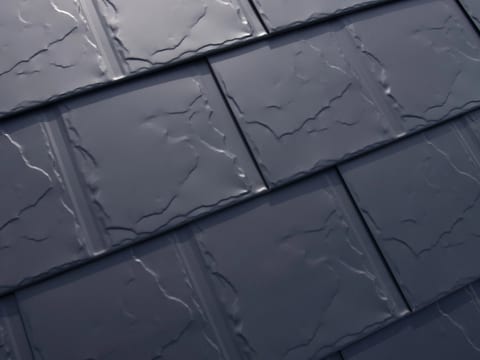
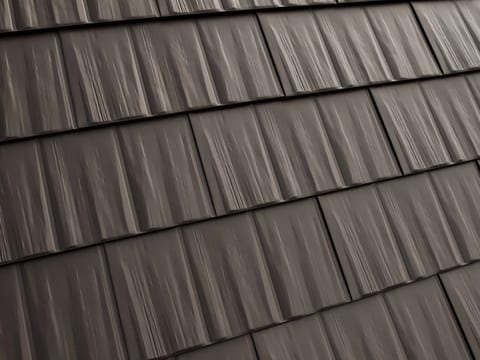
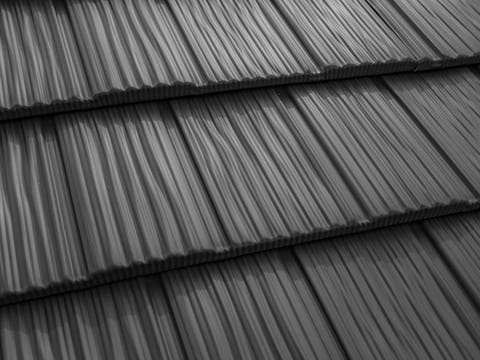
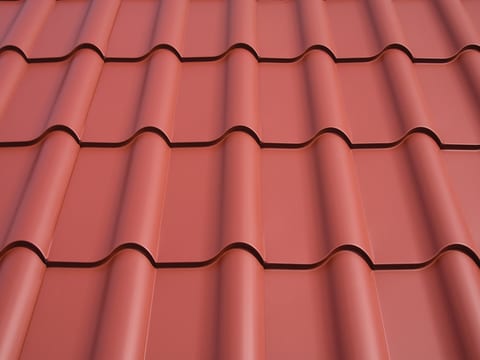
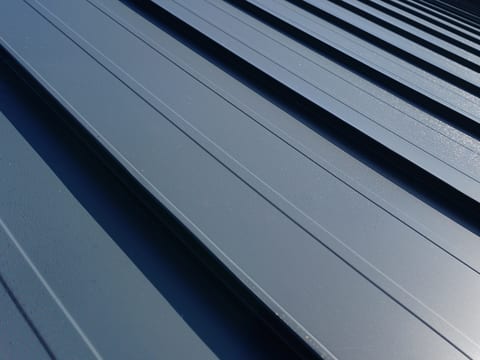
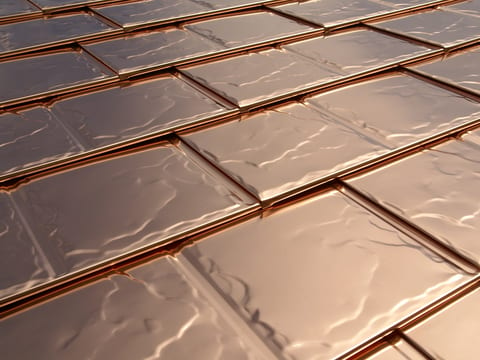
Explore all Interlock® metal roofing systems, or see the Guardian lifetime warranty and independent testing reports.
Completed Interlock® metal roofs near Coal Center, PA
Every marker is a real, anonymized Interlock® aluminum roof completed by an Interlock Installer. Explore verified Interlock® installations near Coal Center, Pennsylvania, United States on the interactive project map and photo grid — filter by roof profile (Slate, Cedar Shingle, Shake, Mediterranean Tile, Standing Seam, Solid Copper), colour and year of completion.
Open Coal Center on the interactive project map →Browse all Interlock® projects in Pennsylvania →See more Interlock® projects →
Nearby service areas in Washington County
Interlock® metal roofing is also installed in these communities near Coal Center: