
Metal Roofing
5 articles in Metal Roofing.
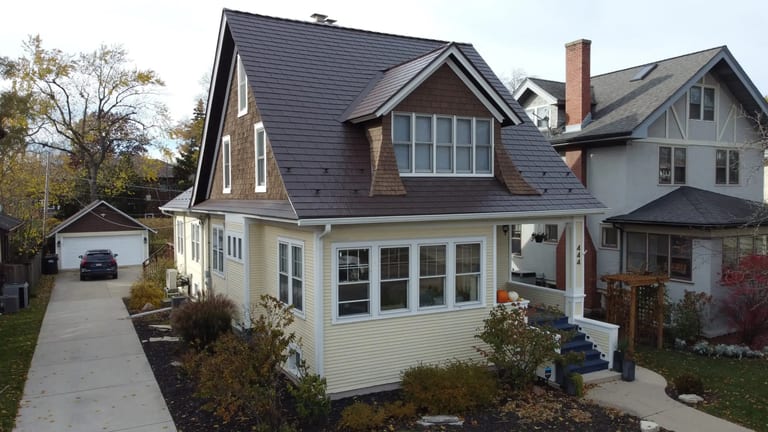
Metal Roofing vs. Asphalt Shingles: The Complete Comparison
Metal roofing and asphalt shingles differ most in lifespan, upfront cost, and long-term value. Asphalt is cheaper to install and simpler to repair, making it the sensible pick for tight budgets or short stays. A premium aluminum metal roof costs more upfront but lasts 50-75 years, resists 120 mph winds, hail, and fire, weighs a fraction of asphalt, and usually wins on total cost of ownership if you plan to stay in your home.
Read article →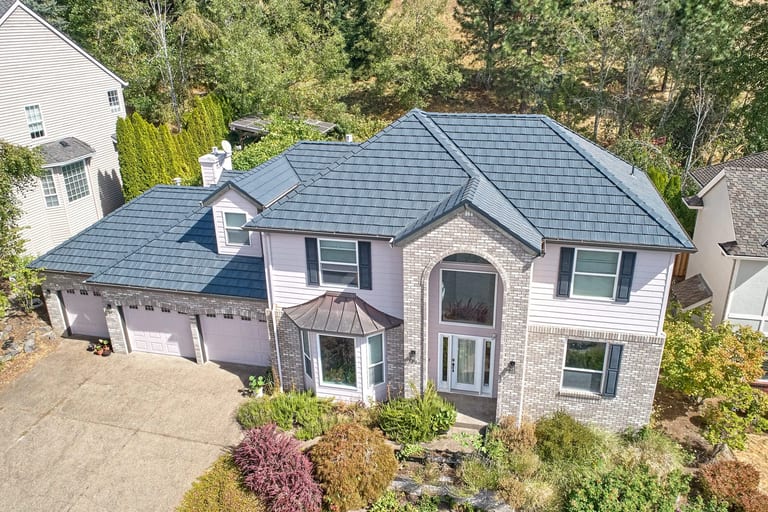
Aluminum vs. Steel Roofing: Which Is Better for Your Home?
Steel (Galvalume) is harder and cheaper up front, making it a strong value in dry, inland and hail-prone climates. Aluminum is lighter, never rusts, and dramatically outperforms steel in coastal or salt-air environments, often closing the price gap over a multi-decade lifespan. Interlock builds every system from aircraft-grade aluminum with a PVDF Alunar finish for lifetime corrosion immunity.
Read article →
What Makes Interlock an Industry Leader in Premium Metal Roofing
"Industry leader" is a claim every roofer makes. Interlock backs it with specifics: corrosion-proof aircraft-grade aluminum, the Alunar® PVDF coating, a concealed four-way mechanical interlock warranted to 120 mph, an expected 50–75 year service life, and a transferable Lifetime Limited Warranty. The same system the U.S. National Science Foundation chose for Antarctica is what goes on your home.
Read article →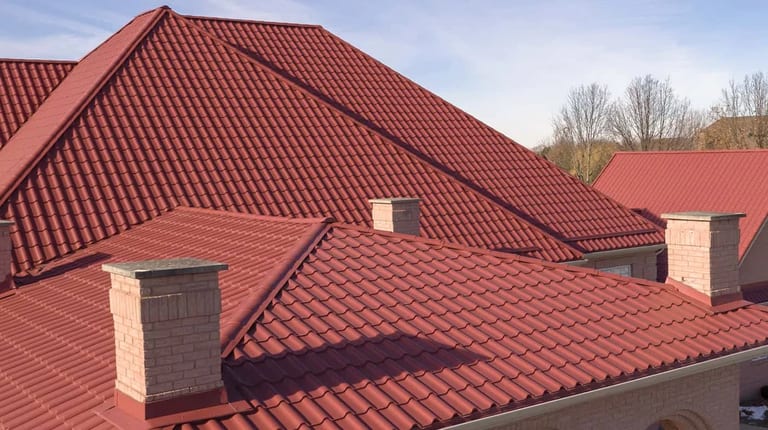
Interlock Metal Roofing Systems Are Strong
Interlock roofs are made from aircraft-grade aluminum — pound-for-pound stronger than steel, about one-third the weight, and rust-proof. Formed into a four-way interlocking panel and finished in Alunar® coating, the system is light enough to install over an existing roof yet rated UL 2218 Class 4 for impact.
Read article →
Roofing Wind Damage: 120 MPH Rated Metal Roofs
Interlock metal roofs are tested and warranted to resist 120 mph winds — Category 2 hurricane strength — and are Florida Building Code approved for High-Velocity Hurricane Zones. The secret is a four-way mechanical interlock with no exposed fasteners for wind to catch and peel.
Read article →