St. Thomas, ON · Lifetime Aluminum Roofing
Metal Roofing in St. Thomas, Ontario
Interlock® installs lifetime aluminum metal roofing in St. Thomas, ON — 35 roofs completed since 1998 by certified local crews, every system backed by a transferable lifetime warranty.
Why St. Thomas homeowners choose Interlock
Interlock Metal Roofing (Ontario) Ltd., founded on February 27, 1998, is a trusted metal roofing contractor and exclusive authorized installer of Interlock® lifetime aluminum roofing systems serving homeowners in St. Thomas, Ontario. Engineered for performance, beauty and durability, the Interlock Lifetime Roofing System pairs heavy‑gauge, fire‑resistant, energy‑efficient cool‑roof technology with the Alunar® Coating System to shed snow, resist ice damming, withstand Ontario’s freeze–thaw cycles, high winds and summer heat, and deliver long‑term protection. Whether you want the timeless look of slate, cedar shingles, shake, Mediterranean tile or standing seam, our roof replacement and re‑roofing services in St. Thomas provide low‑maintenance, energy‑saving metal solutions backed by a Lifetime Warranty for homes in St. Thomas, Ontario.
- 35Roofs installed in St. Thomas
- 1998First St. Thomas installation
- 2021Most recent installation
- 4Verified local reviews
Roofing styles available in St. Thomas
Every Interlock® system is heavy-gauge aluminum finished with the Alunar® coating — five architectural looks, one transferable lifetime warranty.
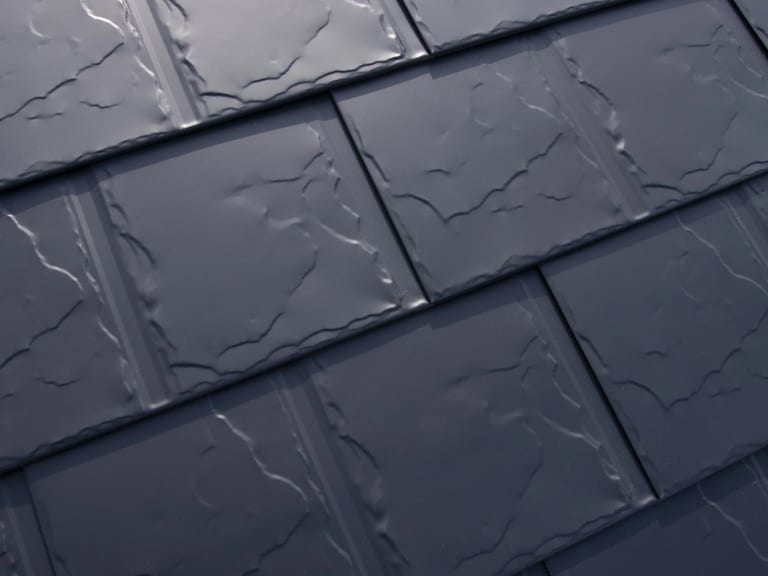 SlateThe dimensional look of natural slate at a fraction of the weight.
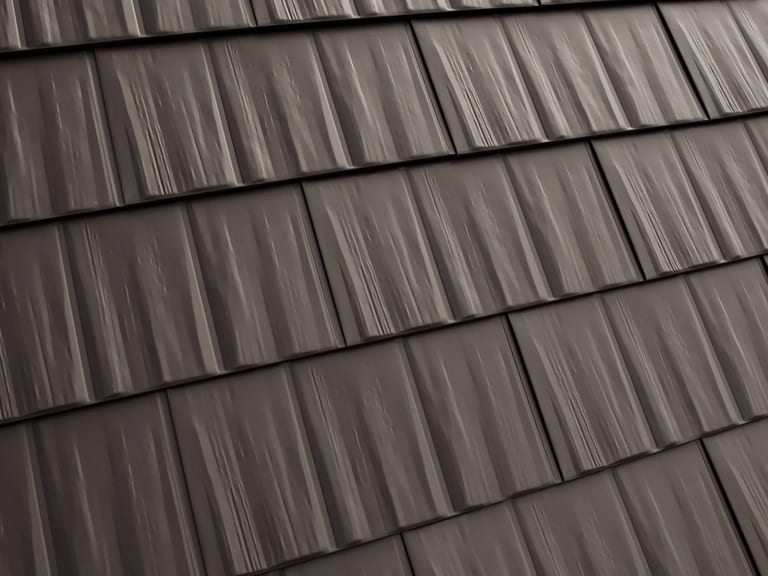 Cedar ShingleWarm cedar-shake character that never rots, splits or curls.
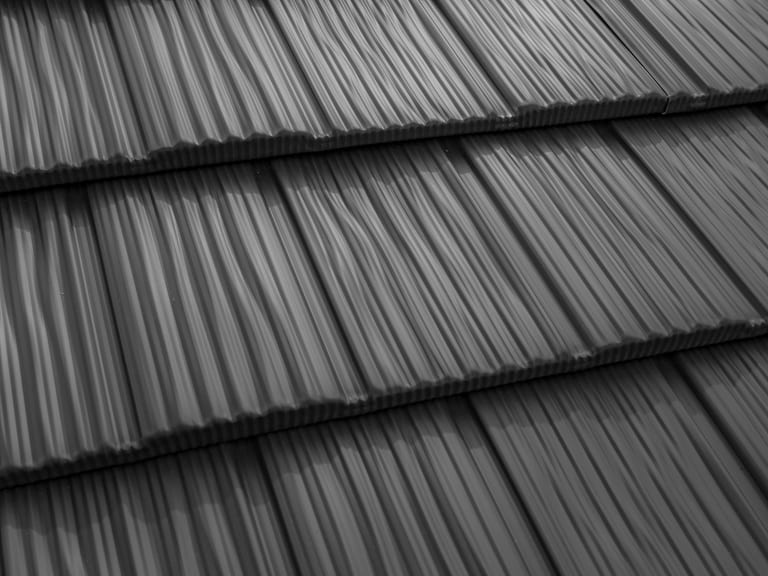 ShakeDeep, hand-split shake texture in aircraft-grade aluminum.
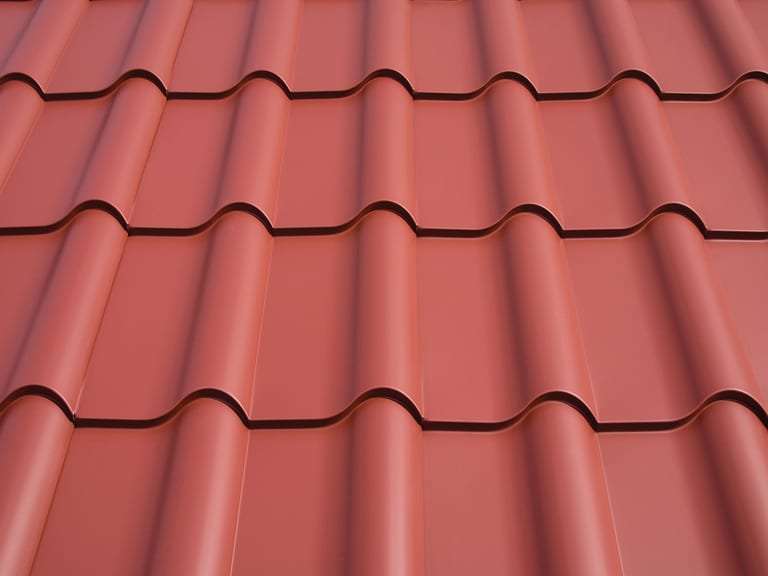 Mediterranean TileClassic barrel-tile lines without the crushing tile weight.
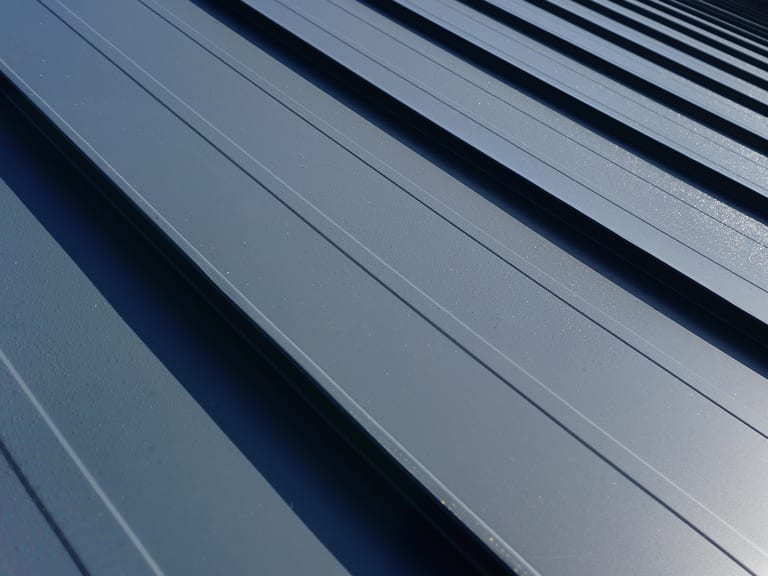 Standing SeamClean vertical lines for modern and contemporary homes.
Completed Interlock® metal roofs near St. Thomas, ON
Interlock® has installed 35 lifetime aluminum metal roofs in St. Thomas, Ontario, Canada since 1998. Every marker below is a real, anonymized Interlock® aluminum roof completed by a Certified Interlock Installer. Explore verified installations across St. Thomas, Ontario, Canada on the interactive project map and photo grid — filter by roof profile (Slate, Cedar Shingle, Shake, Mediterranean Tile and Standing Seam), colour and year of completion.
Open St. Thomas, ON on the interactive project map →Browse the Interlock® project directory for St. Thomas, ON →See more Interlock® projects →
What St. Thomas homeowners say
- ★★★★★
Metal Shingles St. Thomas, ON Review 🇨🇦 — October 22, 2021 | Interlock®
Review: October 22, 2021Completion: September 30, 2021I wish the guy had a helper. Feel bad for him noting stage of life should have at least an assistant Overall I am happy.
St. Thomas, ON
- ★★★★★
Metal Shingles St. Thomas, ON Review 🇨🇦 — August 26, 2019 | Interlock®
Review: August 26, 2019Completion: August 1, 2019#6 above per the description given of the materials by the sales rep. vs. competition.#7 above; I only mention this as the installation at the neighbouring property was noticeably 'tighter' to the roof-line than mine. We've experienced some moderate to heavy precipitation since the installation, so far, so good.
St. Thomas, ON - ★★★★★
Metal Shingles St Thomas, ON Review 🇨🇦 — February 12, 2019 | Interlock®
Review: February 12, 2019Completion: January 31, 2019Warmer weather - it was -30c during installation.
St Thomas, ON - ★★★★★
Metal Shingles St. Thomas, ON Review 🇨🇦 — July 12, 2018 | Interlock®
Review: July 12, 2018Completion: July 12, 2018Is there any incentives for discounts. Quote was 22,500 willing to pay 20000
St. Thomas, ON
Interlock Metal Roofing (Ontario) Ltd.
5 - 2800 Argentia Road, Mississauga, ON L5N 8L2 Canada
Sales & Marketing
Customer Service
Metal roofing near St. Thomas
St. Thomas metal roofing FAQ
How does a metal roof handle St. Thomas winters with 115 cm of snow?
Metal roofs shed snow effectively because the smooth, slick surface and tight interlocking panels (four-way lock system) prevent ice dams from forming along eaves. St. Thomas receives about 115 cm of snow annually, plus roughly 83 freeze-thaw cycles per year—conditions that crack asphalt shingles and cause granule loss. Interlock panels expand and contract uniformly as the thermometer swings, and the aluminum alloy (3105-H24) maintains its structural integrity through repeated freezing without brittleness. Optional snow guards can be added if you prefer gradual shedding. The lightweight design at ~0.41 lb/sq ft for the Shingle profile means no structural reinforcement, unlike slate or concrete tile, so your home handles the seasonal snow load without costly engineering work.
Why does aluminum roofing survive freeze-thaw cycles better than asphalt or wood?
Aluminum is naturally cycle-resistant because it absorbs water movement differently than porous materials. With about 83 freeze-thaw days per year in St. Thomas, asphalt shingles absorb moisture, which expands when frozen, cracking the brittle binder; wood shakes split and curl from the same process. Aluminum panels have no pore structure—water runs off rather than penetrating. The 3105-H24 alloy also remains flexible across temperature swings, so it bends slightly during thermal expansion without permanent damage. The Alunar 70% PVDF coating on both sides seals the panel edges and provides a 30-year fade and chalking warranty, keeping the protective barrier intact even after decades of St. Thomas's variable spring and fall weather.
Can a metal roof actually rust, or is that a marketing claim?
No—aluminum cannot rust because it contains no iron. When exposed to air, aluminum naturally forms a thin oxide layer that actually protects the metal underneath; if scratched, this oxide layer self-heals. Steel roofing, by contrast, rusts aggressively when the coating is breached, especially in humid climates like St. Thomas with 873 mm of annual rainfall. Interlock panels use roofing-grade 3105-H24 aluminum alloy (ASTM B209), and the Alunar 70% PVDF fluorocarbon finish is applied to both sides—extra insurance in moisture-rich environments. Since 1998, Interlock has shipped panels from coastal salt-air homes to Antarctic research stations without rust failure. The Guardian lifetime limited warranty covers rusting for the original owner, giving you peace of mind across decades of Ontario weather.
Are metal roofs secure in windstorms? What about St. Thomas gusts?
Interlock's four-way interlocking aluminum panels are warranted to resist winds up to 120 mph (193 km/h) when installed to specification. St. Thomas averages daily-max winds around 19 km/h, with gusts recorded to 108 km/h—well within the roof's rated capacity. The interlocking design distributes wind load across the entire roof system rather than relying on fasteners alone; each panel locks to its neighbors on all four sides. This engineering means a severe gust doesn't lift a single panel or create an entry point for water. Installation requires a solid deck and proper fastening, but the result is a roof that stands firm through spring storms. Many insurance carriers recognize this strength and offer discounts, though you should contact yours directly about your specific policy.
Will hail damage a metal roof, and can I get an insurance discount?
Interlock metal roofing carries a UL 2218 Class 4 impact rating—the highest available—meaning it resists hailstones up to 1.5 inches in diameter without perforation. The Guardian warranty explicitly covers perforation from hail, so you have dual protection. Class 4 aluminum roofs often qualify for homeowner's insurance discounts because they rarely file claims; the payback period from the discount alone can be substantial over a 20-30 year span. St. Thomas experiences variable spring weather, and hail risk is present but not extreme compared to prairie provinces. Most insurers recognize the UL 2218 rating and reduce premiums accordingly. Call your agent with the UL 2218 Class 4 spec sheet and ask about aluminum roofing discounts—many don't advertise them, but they exist.
Does a metal roof really save money on cooling costs in Ontario?
Metal roofing reduces cooling costs by reflecting solar heat rather than absorbing it like asphalt does. Interlock's energy-efficient colors achieve initial solar reflectance up to 0.55 and thermal emissivity of 0.84, meaning they reflect sunlight and shed absorbed heat efficiently. St. Thomas averages about 2972 sunshine hours per year—enough for summer cooling demand to matter. The Cool Roof Rating Council certifies these reflective properties independently. In a typical Ontario summer, a reflective metal roof can reduce attic temperature by 15-25°F compared to dark asphalt, lowering air-conditioning runtime and cost. The effect compounds over decades; combined with the roof's 50+ year lifespan, the energy savings significantly outweigh the higher initial cost. Winter heating is unaffected because snow cover and cloud cover dominate the season, but the summer benefit is real and measurable.
Do I need to reinforce my home's structure for a metal roof?
No structural reinforcement is needed, which is a major cost advantage. Interlock's Mediterranean Tile profile—which weighs about 0.59 lb/sq ft—is roughly 96% lighter than concrete or clay tile, yet delivers the same aesthetic. Even the heavier Shake profile at ~0.58 lb/sq ft is far lighter than slate. St. Thomas homes built to support asphalt shingles (around 2-3 lb/sq ft) or older wood shake roofs can switch to Interlock aluminum without engineering study. This means no costly structural upgrades, no temporary support beams during installation, and no delay waiting for a structural engineer's sign-off. Installation can proceed directly over most existing roofs, reducing labor time and complexity. The ICC-ES evaluation report ESR-1790 confirms these lightweight panels comply with building code when installed per specification, saving thousands in retrofit costs.
How much maintenance does a metal roof actually need compared to asphalt or wood?
Metal roofing requires almost no maintenance—no replacement of damaged shingles, no wood treatment, no moss cleaning cycles. Asphalt shingles need inspection every 3-5 years and replacement around 15-25 years; wood shake demands annual staining and sealing, especially in St. Thomas's humid, 873 mm-rainfall climate. Interlock aluminum panels resist algae and moss growth, don't split or curl from freeze-thaw cycles, and never require restaining. The Alunar 70% PVDF coating is guaranteed against chalking and fading for 30 years, so repainting is unnecessary. Gutters still need clearing from leaves and debris, but the roof itself remains intact and stable. CALGreen verification documents the reduced-maintenance advantage for building codes. Over a 40-50 year lifespan, the time and cost savings rival the material cost difference compared to asphalt, making it genuinely the last roof you'll buy.
Is metal roofing really more sustainable than asphalt shingles?
Yes—aluminum roofing ends the tear-off-to-landfill cycle. Asphalt shingles degrade over 15-25 years and are difficult to recycle because the fiberglass and bitumen matrix resists separation; millions of tons go to Ontario landfills annually. Interlock panels are approximately 95% recyclable at end-of-life; aluminum scrap dealers actively buy used metal roofing, so a future owner or contractor can recycle the entire roof profitably instead of landfilling it. The panels themselves contain recycled content and require no chemical treatments like wood shake, so toxins don't leach into soil. Manufacturing in Delta, BC since 1998 means established supply chains and efficient production. Over St. Thomas's 873 mm annual rainfall and 115 cm snow, one asphalt roof replacement every 20 years means multiple landfill deposits in a 60-year home lifespan. Aluminum avoids that waste and offers genuine circular economy value.
Who installs Interlock metal roofing in the St. Thomas area, and do they know our climate?
Interlock Metal Roofing (Ontario) Ltd. serves St. Thomas and the southwest region, with 26+ years of experience installing these roofs since 1998. The local team understands St. Thomas weather patterns—approximately 83 freeze-thaw cycles per year, 115 cm annual snow load, and gusts to 108 km/h—and installs panels accordingly, ensuring proper slope for shedding, interlocking tightness, and fastening that holds through seasonal storms. They can assess your existing roof, advise which profile suits your home's style, and schedule installation with minimal disruption. Currently, they're offering interest-free payments for 3 months and savings of at least $2,499 on installation. Local installation also means warranty service is accessible—The Guardian limited lifetime warranty covers material defects for the original owner, and a local installer can address any issues quickly without coordinating with distant contractors.
Ready for your last roof in St. Thomas?
Talk to your local Interlock® team about a lifetime aluminum roof — Never Re-Roof Again®.