Metal Roofing in Veranda, Texas — Lifetime Interlock® Aluminum Shingles Installed Locally
Veranda Metal Roofing Experts Installing Lifetime Interlock® Aluminum Shingles Since 2014
Metal Roofing Built for Veranda's Heavy Rain, Snow Loads, Windstorms & Lifetime Protection
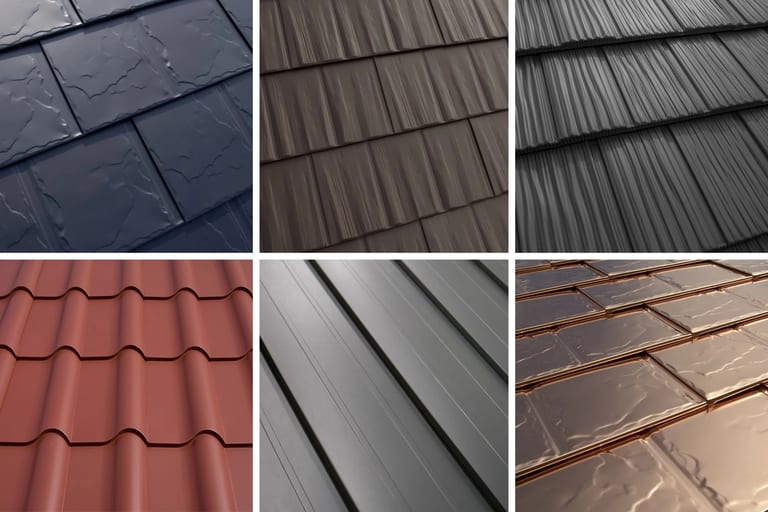
Interlock Roofing of America is a trusted metal roofing contractor and local installer serving homeowners in Veranda, Texas, in Fort Bend County. Founded in 2014, we are the exclusive authorized installer of Interlock® Lifetime Aluminum Roofing Systems—engineered for performance, beauty, and durability. Our Veranda roof replacement and re-roofing services deliver heavy-gauge, fire‑resistant, energy‑efficient cool roofs protected by the Alunar® Coating System and backed by a Lifetime Warranty. Designed to perform across climates—shedding snow in cold regions while in Veranda offering superior resistance to intense sun and UV, high humidity, hail, heavy rain and tropical-storm winds—Interlock provides long-term protection, lower cooling costs, and the timeless look of slate, cedar shingles, shake, Mediterranean tile, or standing seam with the lasting strength of metal.
Performance you can measure (all climates)

Weather Resistant
Tested to 193+ km/h (120 mph) winds

Durable
Lifetime-Limited, transferable warranty

Energy Efficient
Reflective cool-roof lowers cooling costs


Corrosion Resistant
Aluminum won’t rust or corrode
Rain & Moisture Proof
Repels ~591 mm of rain a year
- Authorized Interlock® Lifetime Aluminum Roofing Systems available to Veranda, TX homeowners in Fort Bend County
- Precision weatherproof seams (profiles: slate, cedar, shake, tile) and mechanical fastening (profile: standing seam) deliver long-term leak protection during wind-driven rain events
- Interlocking panels tested to 193+ km/h (120+ mph) to resist hurricane-force gusts and windstorms that affect the Greater Houston/Fort Bend region
- Aluminum panels coated with the Alunar® Coating System — no visible aluminum surface and a durable finish for prolonged UV and moisture exposure
- Corrosion-resistant materials and coatings minimize degradation from Gulf-region humidity and occasional marine aerosol reaching Fort Bend County neighborhoods
- High-reflectance, low-emittance surface reduces attic heat gain during Texas summer heat waves and improves HVAC efficiency for Veranda homes
- Class A fire-rated available for added resilience during dry-season ember exposures or landscape fires near residential lots
- UL 2218 Class 4 impact resistance helps protect Veranda roofs from hail, fallen limbs, and storm-borne debris
- Mechanically fastened standing-seam options limit wind uplift and preserve roof integrity under sustained high winds common to the Gulf coastal plain
- Lightweight aluminum lowers dead load on existing roof structures while providing long-term dimensional stability in humid conditions
- Solar-compatible panel profiles engineered for bracket-mounted photovoltaic systems typical on Fort Bend County homes
- Non-porous Alunar® finish discourages biological growth and simplifies maintenance in Veranda’s warm, humid summers
- Atmospheric-river–scale heavy rainfall and prolonged tropical rainbands: precision seams and waterproof installation protect against long-duration downpours in Veranda
- Coastal salt air: Alunar® coating and alloy selection reduce corrosion where salt aerosol reaches Fort Bend County during strong Gulf storms
- Moss and organic growth: coated, smooth panel surfaces limit substrate for moss/algae and make routine roof cleaning straightforward for Veranda homeowners
Metal roofing built for Veranda's climate
Averages (10-yr): ~591 mm rain and 4 cm snow per year, ~3704 sunshine hours, mean 19.4°C, typical daily-max winds ~24 km/h with gusts to 94 km/h, and ~24 freeze–thaw days per year.
- 4 cmavg. snow / year
- 591 mmavg. rain / year
- 24freeze–thaw days / year
- 94 km/hpeak wind gusts
- 3704 hrsannual sunshine
- 19.4°Cmean temperature
Interlock® aluminum roofing is engineered for these conditions — wind-rated to 193+ km/h (120 mph), UL 2218 Class 4 impact-rated, Class A fire-rated, and built to shed snow and resist ice dams and freeze–thaw cracking, backed by a lifetime limited warranty.
Interlock Roofing of America
- Texas
- Phone 1-866-733-5811
- Toll-Free 1-866-733-5811
- Customer Service [email protected]
- www.TexasRoofing.Systems
- Serving Texas since 2014 — 12 years
Interlock Roofing of America is a leading provider of premium metal roofing systems, delivering durable, energy-efficient solutions through a nationwide network of certified local contractors. Built on decades of manufacturing expertise, the company specializes in high-performance aluminum roofing designed to withstand harsh weather conditions while enhancing the long-term value and appearance of residential properties. Rather than operating as a traditional contractor, Interlock Roofing of America partners with carefully vetted, factory-trained installers in local markets. This model ensures homeowners receive both the strength of a proven, engineered roofing system and the personalized service of a trusted local professional. Every project is completed to strict installation standards, maintaining consistency, quality, and long-term performance across all regions. Interlock’s roofing systems are engineered to address the unique climate challenges found across Texas and beyond—including extreme heat, heavy rain, hail, and high winds. With a focus on longevity and low maintenance, their metal roofing solutions offer a sustainable alternative to traditional materials, often backed by comprehensive warranties for added peace of mind. At its core, Interlock Roofing of America is committed to combining advanced manufacturing, certified local expertise, and customer-first service—delivering roofing systems built to last a lifetime.
Get a Free Metal Roof Estimate in Veranda, Texas
Interlock® Aluminum Roofing — all-climates performance specs for Veranda, Texas
| Spec / Rating | Climate / Risk Factor + What It Solves |
|---|---|
| Wind resistance: 120+ mph (193+ kph) | Extreme wind, hurricanes, storm uplift: full interlocking attachment helps prevent blow-offs, edge lifting, and panel loss in high-gust events. |
| Fire rating: Class A (with proper assembly) | Wildfire, embers, radiant heat, chimney sparks: non-combustible roof assembly provides the highest residential fire protection rating. |
| Hail resistance: UL 2218 Class 4 | Hail and impact debris: highest impact classification; resists cracking, splitting, and surface loss common with asphalt under hail strikes. |
| Snow & ice performance: interlocking, shedding profile | Heavy snow, freeze-thaw, ice dams: smooth aluminum sheds snow efficiently and the interlocking design helps block water intrusion when melt-refreeze cycles occur. (Final snow-load capacity depends on roof structure and local code.) |
| Corrosion resistance: aluminum (won’t rust) | Salt air, coastal humidity, wet climates: aluminum naturally resists rust and corrosion, reducing long-term failure risk in marine or high-moisture environments. |
| Heat / UV durability: baked-on coating system | High heat, intense sun, thermal cycling: coatings resist UV breakdown and temperature-swing fatigue, slowing fading and surface degradation. |
| Moss / algae resistance: smooth coated surface | Wet shade, organic growth: low-porosity metal surface gives moss/algae less to grip, reducing staining and maintenance. |
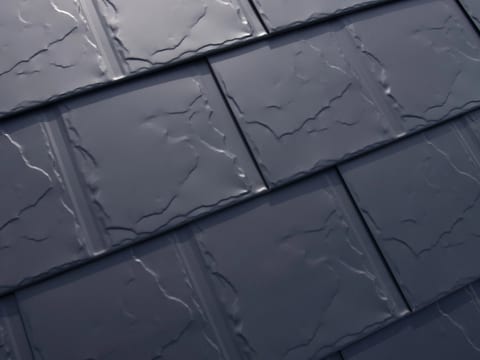
| Material: heavy-gauge aluminum roof profiles (Slate / Shake / Shingle / Tile / Standing Seam) | All-season structural stability: lightweight, dent-resistant metal system stays stable through large hot-cold swings and severe weather. |
| Expected lifespan: 50+ years | Long-term durability across climates: avoids re-roof cycles typical of shorter-life materials, even in high-stress environments. |
| Warranty: Lifetime-Limited, non-prorated + 50-year transferable | Lifetime protection + resale value: guarantees long-term material confidence and transfers to future owners. |
Available Profiles in Veranda, Texas:
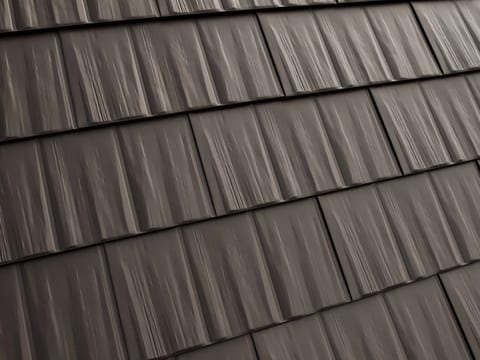
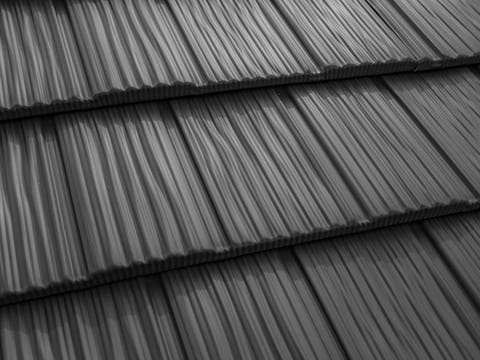
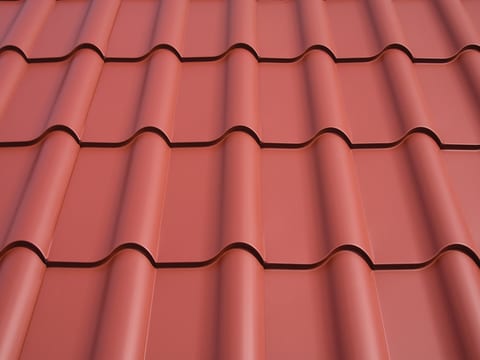
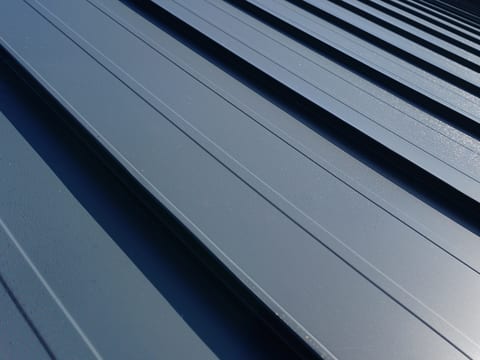
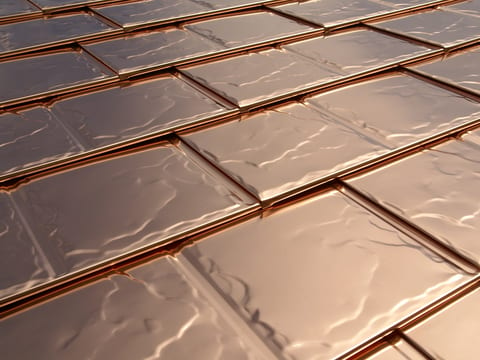
Explore all Interlock® metal roofing systems, or see the Guardian lifetime warranty and independent testing reports.
Completed Interlock® metal roofs near Veranda, TX
Every marker is a real, anonymized Interlock® aluminum roof completed by a Certified Interlock Installer. Explore verified Interlock® installations near Veranda, Texas, United States on the interactive project map and photo grid — filter by roof profile (Slate, Cedar Shingle, Shake, Mediterranean Tile, Standing Seam, Solid Copper), colour and year of completion.
Open Veranda on the interactive project map →Browse all Interlock® projects in Texas →See more Interlock® projects →
Nearby service areas in Fort Bend County
Interlock® metal roofing is also installed in these communities near Veranda:
Metal Roofing FAQs for Homeowners in Veranda
The following metal roofing FAQs are designed specifically for homeowners in Veranda, Texas. Whether you are building a new home or replacing an existing roof, understanding how roofing materials perform in local weather conditions is essential. From wind and storm protection to fire resistance, hail impact, snow loads, and coastal moisture exposure, Interlock’s Lifetime Aluminum Roofing System is engineered to provide long-term durability, energy efficiency, and peace of mind in Veranda.
Can aluminum metal roofing rust in Fort Bend County's humid climate?
No — aluminum roofing cannot rust because it contains no iron. Veranda's annual rainfall of 591 mm and coastal-influenced humidity trigger oxidation, but aluminum's oxide layer forms instantly and self-heals when scratched, making corrosion physically impossible. The roofing-grade 3105-H24 and 3003-H24 alloys (ASTM B209) have been installed in salt-air environments since 1998 without rusting, and Interlock's Alunar 70% PVDF coating adds 30 years of warranty protection against degradation, giving you two independent defense layers against weather.
How does metal roofing hold up to Fort Bend County wind and hail storms?
Interlock's four-way interlocking aluminum panels warrant resistance to wind speeds up to 120 mph, well above Veranda's typical gusts of 94 km/h (58 mph). The UL 2218 Class 4 impact rating is the highest available for hail; the warranty specifically covers perforation from hailstones up to 1.5 inches. With about 24 freeze-thaw cycles yearly in your region, the interlocking design prevents water penetration and panel separation that would otherwise worsen freeze-thaw damage — the panels stay locked tight across seasonal temperature swings.
Do I need to reinforce my roof structure for metal roofing?
Almost never. The Slate profile weighs just 0.41 lb/sq ft, the Shake 0.58, and the Mediterranean Tile — which replicates heavy clay or concrete tile — is about 96% lighter than the real thing. Veranda installers can often apply Interlock panels directly over your existing asphalt roof, eliminating costly tear-off and structural upgrades that slate or clay would require. This makes metal roofing feasible on older homes where structural limits are tighter, and it cuts labor time and waste disposal costs significantly.
Will a metal roof reduce cooling costs in hot Texas summers?
Yes — energy-efficient colors reflect heat rather than absorb it, with thermal emissivity rated at 0.84 and solar reflectance up to 0.55 (measured on Aged Copper Penny). Veranda receives about 3,704 sunshine hours yearly, so reflective roofing directly lowers attic temperatures and air-conditioning runtime. Metal doesn't hold heat like asphalt does; it sheds absorbed energy quickly. Cool Roof Rating Council certification confirms the efficiency gain. Over a 50-year roof life, the energy savings compound significantly, offsetting the higher upfront material cost.
How long does an Interlock metal roof really last, and what does the warranty cover?
The Guardian warranty is a lifetime limited material warranty for you as the original owner — non-prorated, covering rusting, rotting, splitting, cracking, curling, and loss of impact resistance. When you sell, the warranty transfers once and runs 50 years from completion, a major selling point for the next owner. With four-way interlocking panels and aluminum that cannot rust, plus a 30-year coating guarantee, most homeowners install this roof once and never re-roof. Veranda's 24 annual freeze-thaw cycles would crack or curl asphalt or wood; Interlock's design laughs at that cycle.
Is metal roofing worth the higher upfront cost compared to asphalt shingles?
Over a 50-year horizon, yes. Asphalt typically lasts 15–20 years and requires tear-off and replacement multiple times; Interlock installs once. The Alunar coating warranty (30 years against fading and chalking) and lifetime material coverage mean zero major maintenance or repainting. No algae scrubbing, no leak-prone flashing replacement every decade. A single asphalt re-roof costs $8,000–$15,000 in labor and materials; Interlock's upfront premium vanishes after one asphalt replacement cycle. The math favors metal if you plan to stay in Veranda 20+ years or intend to transfer the roof's 50-year owner warranty to the next buyer.
Does metal roofing offer better fire protection than asphalt or wood shakes?
Aluminum is non-combustible and available with Class A fire rating — the highest classification available. Veranda's hot, dry stretches and occasional regional fire risk make this a genuine safety advantage over wood shakes (which are combustible) and asphalt (which burns). The ICC-ES evaluation report (ESR-1790, reissued 2025) confirms Interlock panels meet IBC and IRC fire standards. If your home sits in a wildfire-prone area of Fort Bend County or you're in a neighborhood with insurance discounts for Class A roofing, the fire rating reduces liability and can lower premiums.
Can I get a metal roof that looks like slate, cedar shake, or tile instead of standing seam?
Yes — Interlock offers five profiles: Slate, Cedar Shingle, Shake, Standing Seam, and Mediterranean Tile. Each replicates the aesthetic of its namesake material while delivering metal's durability. The Shake profile mirrors split-wood shakes; the Tile mimics high-end clay or concrete at 96% less weight. All use the same four-way interlocking aluminum core, so you get identical wind (120 mph warranted), hail (UL 2218 Class 4), and rust-proof performance regardless of style. Your choice is purely visual — pick the curb appeal you want, then install with confidence in the engineering behind it.
How much maintenance does a metal roof need compared to asphalt or tile?
Virtually none. Aluminum cannot rust or rot; it won't split, crack, or curl like wood shakes or asphalt. No algae blooms to pressure-wash (unlike asphalt in humid Veranda with 591 mm annual rain), no resealing of flashing every 5–7 years, no individual shingle replacements. The Alunar 70% PVDF coating is rated 30 years against fading — you may never repaint. Leaf debris washes off in heavy rain; gutters drain normally. CALGreen verification confirms Interlock qualifies for reduced-maintenance roofing status. Over 50 years, maintenance savings compound faster than you'd expect.
Is there a local installer for Interlock metal roofing in Veranda?
Yes — Interlock Roofing of America has served the Veranda and Fort Bend County area since 2014. They handle design consultation, installation over existing roofs or new construction, and warranty administration. A decade of regional experience means familiarity with local wind patterns (gusts up to 94 km/h), rainfall (591 mm yearly), freeze-thaw damage, and the specific building codes that apply here. For measurements, color samples, and project timeline, contact them directly; they can walk you through the ESR-1790 compliance path and explain how four-way interlocking installation differs from asphalt or standing-seam practices.
Is a metal roof a good choice for Veranda’s climate?
Yes. Veranda averages about 4 cm of snow, 591 mm of rain, roughly 24 freeze–thaw days a year, with peak wind gusts near 94 km/h. Interlock® aluminum roofing is wind-rated to 193+ km/h (120 mph), UL 2218 Class 4 impact-rated and Class A fire-rated, and its four-way interlocking panels shed snow and resist ice dams and freeze–thaw cracking — all backed by a lifetime limited, transferable warranty.