Lake Stevens, WA · Lifetime Aluminum Roofing
Metal Roofing in Lake Stevens, Washington
Interlock® installs lifetime aluminum metal roofing in Lake Stevens, WA — 21 roofs completed since 1998 by certified local crews, every system backed by a transferable lifetime warranty.
Why Lake Stevens homeowners choose Interlock
Interlock Metal Roofing (PNW) Inc. is the trusted local metal roofing contractor and exclusive authorized installer of Interlock® lifetime aluminum roofing systems in Lake Stevens, Washington. Since 1997, we have provided homeowners with premium roof replacement and re-roofing services designed specifically for the Pacific Northwest’s unique climate. Our heavy-gauge, fire-resistant, and energy-efficient cool roofs are engineered to withstand Lake Stevens’ frequent rain, heavy snow, and seasonal windstorms, ensuring superior snow shedding and long-term protection. Choose from the timeless beauty of slate, cedar shingles, shake, Mediterranean tile, or standing seam profiles—all with the unmatched strength and durability of metal. Every Interlock roof is protected by the advanced Alunar® Coating System and backed by a Lifetime Warranty, making it the best choice for lasting performance, curb appeal, and peace of mind for your Lake Stevens home.
- 21Roofs installed in Lake Stevens
- 1998First Lake Stevens installation
- 2020Most recent installation
- 7Verified local reviews
Roofing styles available in Lake Stevens
Every Interlock® system is heavy-gauge aluminum finished with the Alunar® coating — five architectural looks, one transferable lifetime warranty.
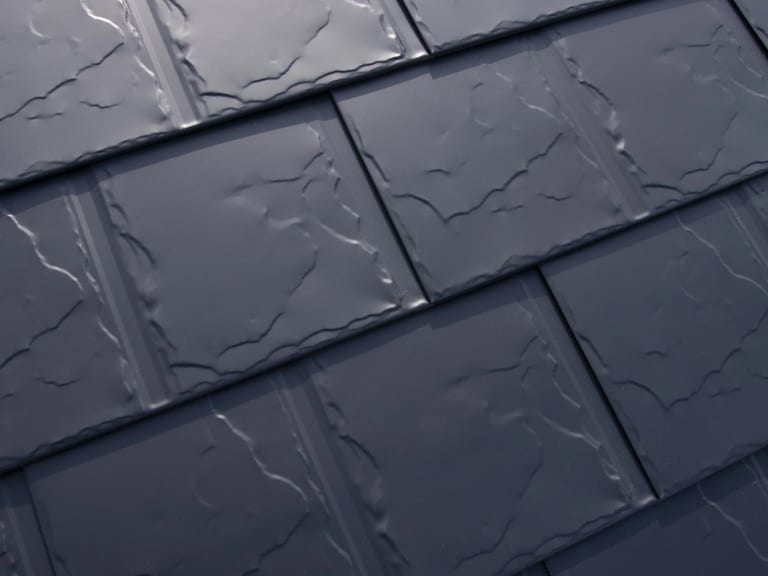 SlateThe dimensional look of natural slate at a fraction of the weight.
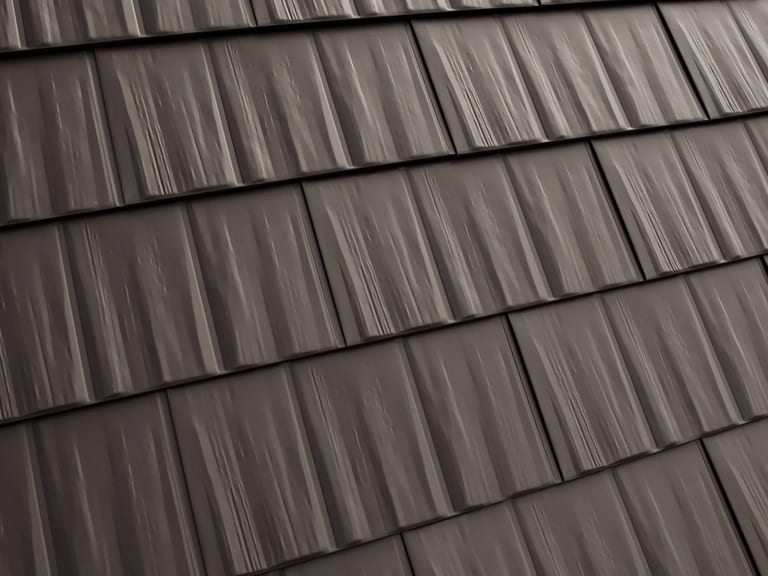 Cedar ShingleWarm cedar-shake character that never rots, splits or curls.
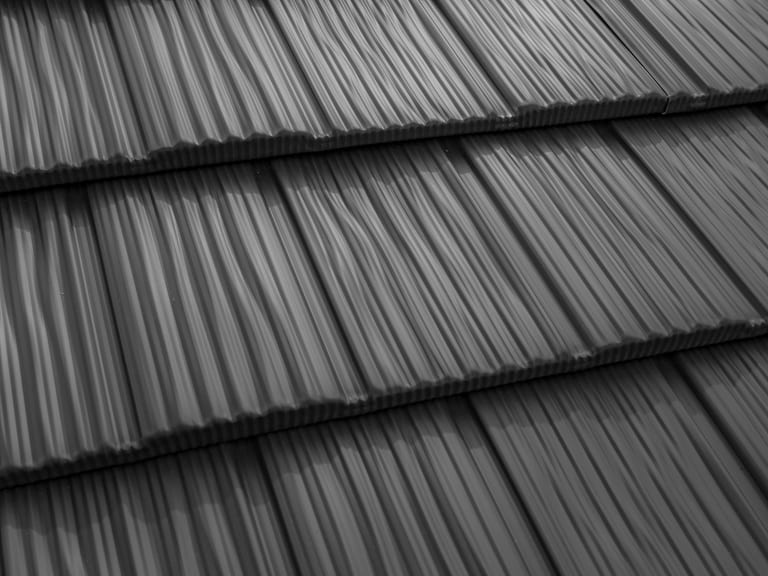 ShakeDeep, hand-split shake texture in aircraft-grade aluminum.
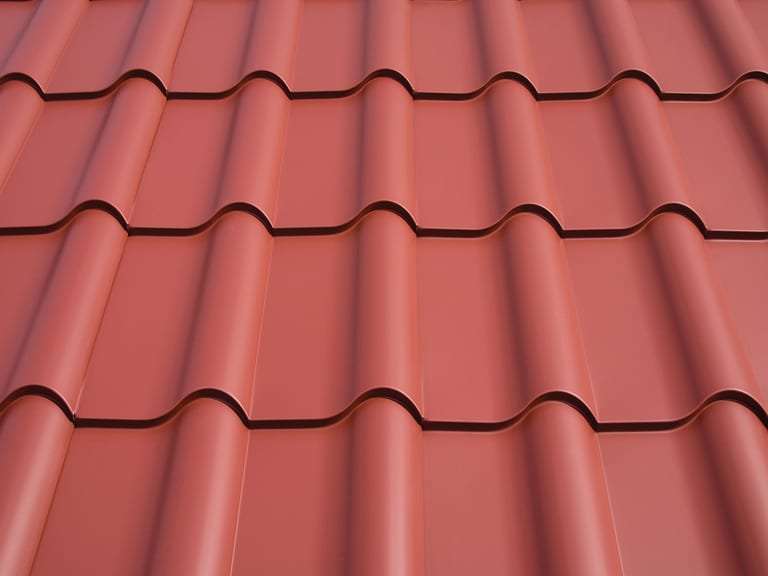 Mediterranean TileClassic barrel-tile lines without the crushing tile weight.
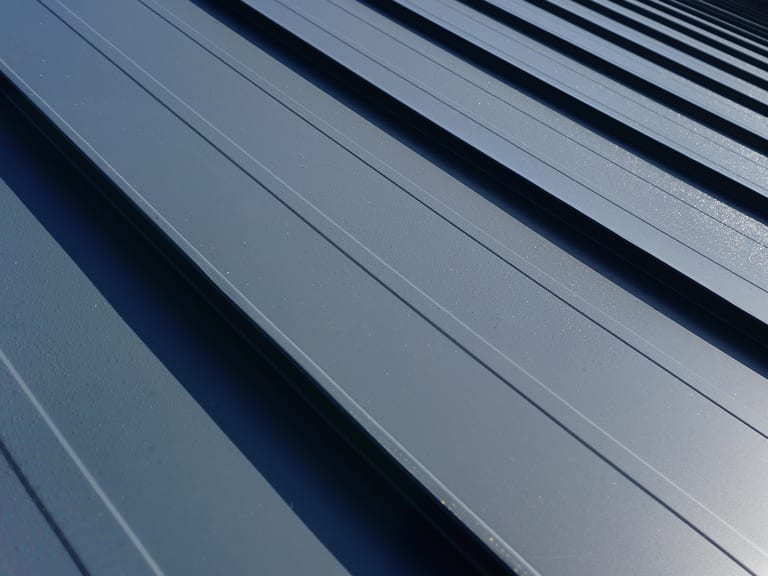 Standing SeamClean vertical lines for modern and contemporary homes.
Completed Interlock® metal roofs near Lake Stevens, WA
Interlock® has installed 21 lifetime aluminum metal roofs in Lake Stevens, Washington, United States since 1998. Every marker below is a real, anonymized Interlock® aluminum roof completed by a Certified Interlock Installer. Explore verified installations across Lake Stevens, Washington, United States on the interactive project map and photo grid — filter by roof profile (Slate, Cedar Shingle, Shake, Mediterranean Tile and Standing Seam), colour and year of completion.
Open Lake Stevens, WA on the interactive project map →Browse the Interlock® project directory for Lake Stevens, WA →See more Interlock® projects →
What Lake Stevens homeowners say
- ★★★★★
Metal Shingles Lake Stevens, WA Review 🇺🇸 — April 14, 2020 | Interlock®
Review: April 14, 2020Completion: March 27, 2020If you promise a gift card for having a salesman over, follow through. No card
Lake Stevens, WA
- ★★★★★
Standing Seam Lake Stevens, WA Review 🇺🇸 — November 2, 2019 | Interlock®
Review: November 2, 2019Completion: September 30, 2019The crew didn't know until that morning they were coming over to my project.
Lake Stevens, WA - ★★★★★
Metal Shingles Lake Stevens, WA Review 🇺🇸 — October 21, 2019 | Interlock®
Review: October 21, 2019Completion: October 1, 2019Lake Stevens, WA - ★★★★★
Metal Shingles Lake Stevens, WA Review 🇺🇸 — March 21, 2019 | Interlock®
Review: March 21, 2019Completion: March 21, 2019Lake Stevens, WA - ★★★★★
Metal Shingles Lake Stevens, WA Review 🇺🇸 — May 7, 2018 | Interlock®
Review: May 7, 2018Completion: April 4, 2018All went according to the installation plan and since no one can control weather conditions I can't think of anything to improve. Interlock has a very satisfied customer here!
Lake Stevens, WA - ★★★★☆
Metal Shingles Lake Stevens, WA Review 🇺🇸 — April 7, 2016 | Interlock®
Review: April 7, 2016Completion: April 7, 2016Lake Stevens, WA
Interlock Metal Roofing (PNW) Inc.
5608 17th Ave NW suite 1574, Seattle, WA 98107, United States
Sales & Marketing
Customer Service
www.WashingtonMetalRoofing.com
License: INTERMR75406
Metal roofing near Lake Stevens
Lake Stevens metal roofing FAQ
Does metal roofing handle heavy snow and ice in Lake Stevens?
Yes—Interlock's four-way interlocking aluminum panels are engineered to shed snow and resist ice dams because the smooth, non-porous surface doesn't trap moisture the way asphalt does. Lake Stevens receives about 52 cm of snow annually and experiences roughly 58 freeze-thaw cycles per year, conditions that accelerate asphalt deterioration and ice dam formation. Aluminum has no expansion-contraction cycle that asphalt undergoes; it remains dimensionally stable through repeated freezing and thawing. The panels are warranted for wind gusts up to 120 mph, which means snow load and ice weight pose no structural concern. Optional snow guards are available if you want to manage snow shedding on lower-pitched roofs.
Will a metal roof leak in Lake Stevens' wet climate?
No—the four-way interlocking design creates a watertight seal that handles Lake Stevens' average 1,372 mm of annual rainfall without risk of penetration. Each panel locks to its neighbors on all four sides, and the system is installed over a solid roof deck with ICC-ES–certified underlayment (ESR-1790 compliance), which is the same foundation used under premium asphalt systems. The difference is that metal panels have no granule erosion, no curling edges where water creeps in, and no age-related gaps—the core vulnerabilities of asphalt shingles in climates with this much moisture. Proper installation by a certified contractor ensures drainage and prevents ponding.
How does aluminum metal roofing hold up to freeze-thaw cycles?
Aluminum expands and contracts minimally compared to asphalt or wood, so it survives repeated freeze-thaw stress without cracking, curling, or splitting. Lake Stevens averages 58 freeze-thaw days annually—a threshold at which asphalt begins significant material degradation. Aluminum's oxide layer (the material's natural protection) actually self-heals when scratched, unlike painted steel, which rusts after its coating is breached. The Alunar 70% PVDF coating is warranted 30 years against chalking and fading under freeze-thaw conditions (ASTM testing standards). This means your roof resists the brittleness, moisture absorption, and structural fatigue that make asphalt and wood fail in this climate.
Why choose aluminum roofing instead of steel in a rainy climate?
Aluminum cannot rust because it contains no iron—the element that oxidizes and weakens steel roofing. Instead, aluminum forms a thin, transparent oxide layer that protects the metal beneath and self-heals when scratched or damaged. Steel roofing, by contrast, requires paint or galvanizing to block rust, and once that coating is compromised—which happens faster in wet, freeze-thaw climates like Lake Stevens with 1,372 mm of annual rain—rust spreads and weakens the panel. Interlock uses roofing-grade 3105-H24 and 3003-H24 aluminum alloy (ASTM B209) with Alunar 70% PVDF coating on both sides for extra salt-air protection. This dual-coating approach ensures durability even in humid, rainy conditions where steel would corrode.
Can an old house support a metal roof without structural upgrades?
Yes—aluminum's extreme lightweight is the reason. The Slate profile installs at just 0.41 lb/sq ft, and even the Mediterranean Tile, which replicates heavy ceramic, weighs only about 0.59 lb/sq ft—roughly 96% lighter than actual concrete or clay tile. Most Lake Stevens homes built in the last 50 years were framed to carry asphalt shingles (about 3 lb/sq ft), so installing Interlock metal over existing roof decking requires no structural reinforcement whatsoever. This also means you can often install over your existing roof, avoiding expensive tear-off and disposal costs. The light weight combined with low structural demand makes metal roofing accessible to nearly any home in the region.
How does metal roofing perform in Snohomish County wind?
Lake Stevens' typical daily-maximum winds average 14 km/h with gusts reaching 96 km/h—well within the design envelope of a properly installed Interlock metal roof. The four-way interlocking panels are warranted to resist wind speeds up to 120 mph (193 km/h), and each panel's mechanical lock to its neighbors resists uplift and lateral stress from gusts. The ICC-ES evaluation (ESR-1790) confirms the system's wind-resistance performance when installed to specification. Asphalt shingles, by comparison, can blow away or uplift at sustained gusts above 70-80 km/h, especially as the adhesive ages. Metal's solid connection and lack of adhesive failure means your roof stays secure through seasonal storms.
Is metal roofing worth the upfront cost compared to asphalt?
Metal roofing is the last roof you'll install, which reframes the cost conversation from price to lifetime value. Asphalt shingles in Lake Stevens' wet, freeze-thaw climate typically last 15-20 years before curling, granule loss, and leaks require replacement. Over 50 years, you'll replace asphalt three times—each replacement means tear-off, labor, and landfill fees. Interlock's Guardian Warranty is lifetime limited for the original owner and transferable to the next owner for 50 years from completion, covering material failure, rusting, cracking, and loss of impact resistance. Current regional promotion offers no payments and no interest until Spring 2027 or 10% off installation. Over the roof's life, metal typically costs less than three asphalt cycles.
How much maintenance does a metal roof need in the Pacific Northwest?
Interlock requires virtually no maintenance—no seasonal inspections for leaks, no granule replacement, no moss treatment, no caulking or sealant reapplication. Unlike asphalt (which deteriorates in rain and freeze-thaw), wood shakes (which split and rot), or clay tile (which cracks and requires repointing), aluminum is chemically inert and self-protecting. With 2,907 annual sunshine hours in Lake Stevens, any accumulated debris or algae typically rinses away with rain. The ICC-ES report (ESR-1790) and CALGreen verification confirm Interlock's reduced-maintenance design. Over a 50-year lifespan, you'll save thousands in labor, repairs, and material restoration compared to traditional roofing—costs that compound quickly in this wet climate.
Does a metal roof help with cooling costs?
energy-efficient Interlock colors reflect rather than absorb solar heat, lowering cooling load during the 2,907 sunshine hours Lake Stevens experiences annually. The Aged Copper Penny finish has initial solar reflectance up to 0.55 and thermal emissivity of 0.84, meaning it bounces heat away while radiating absorbed energy outward—the opposite of asphalt's dark surface, which absorbs heat and conducts it into the home. The Cool Roof Rating Council certifies these reflective properties. While Lake Stevens' winters are cool and heating dominates, reflective metal reduces summer cooling demand and keeps attic temperatures lower, extending HVAC component life. Over time, this translates to modest energy savings and better thermal comfort.
What's the timeline for installing a metal roof in Lake Stevens?
Installation typically takes 2-5 days depending on roof size and complexity, compared to 3-7 days for asphalt. Interlock Metal Roofing (PNW) Inc. has served the region since 1997 and coordinates work around Lake Stevens weather—rain is common, but installation doesn't require long dry windows the way asphalt tar-down does. A major advantage is that Interlock installs over most existing roofs, meaning no tear-off delay or debris removal. The four-way interlocking panels connect quickly without nailing every course, and the system is finished as soon as flashing, trim, and gutters are sealed. Your installer will walk you through the process and schedule around seasonal conditions.
Ready for your last roof in Lake Stevens?
Talk to your local Interlock® team about a lifetime aluminum roof — Never Re-Roof Again®.