
The Interlock Blog
Page 2 of 4.
Showing 13–24 of 40 articles
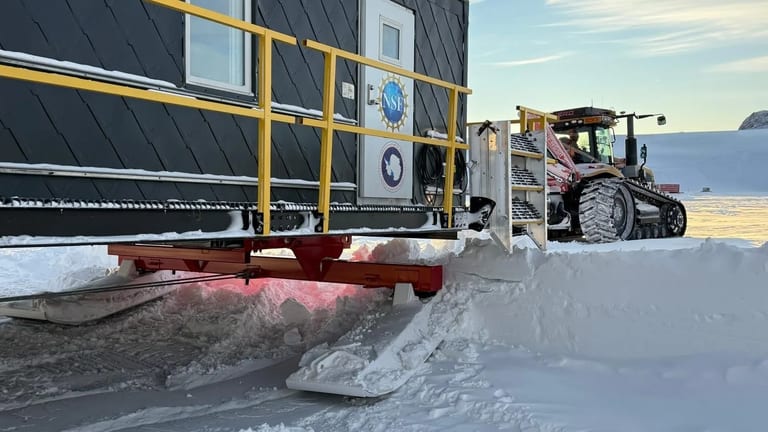
Extreme Roofing: Interlock Selected for Antarctic Science Base
When the U.S. National Science Foundation needed roofing for a research module bound for Antarctica, it chose Interlock. The aluminum system endures −60°F cold, 100+ mph katabatic winds, and extreme UV, then survived a 995-mile overland traverse to its site — the ultimate proof that a roof built for the South Pole will protect any home.
Read article →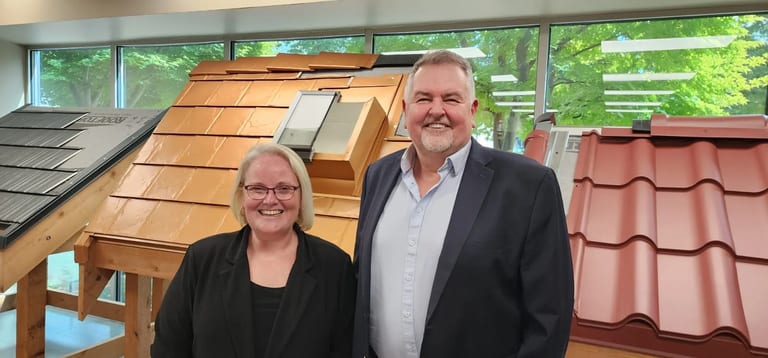
Hon. Jill McKnight, Canada's Veterans Affairs Minister, Visits Interlock Metal Roofing to Discuss Tariffs and Manufacturing
On July 3, 2025, The Honourable Jill McKnight, MP for Delta and Canada’s Minister of Veterans Affairs, toured Interlock Metal Roofing’s Delta, BC manufacturing facility to discuss Canadian aluminum manufacturing and the impact of metal tariffs on a homegrown industry.
Read article →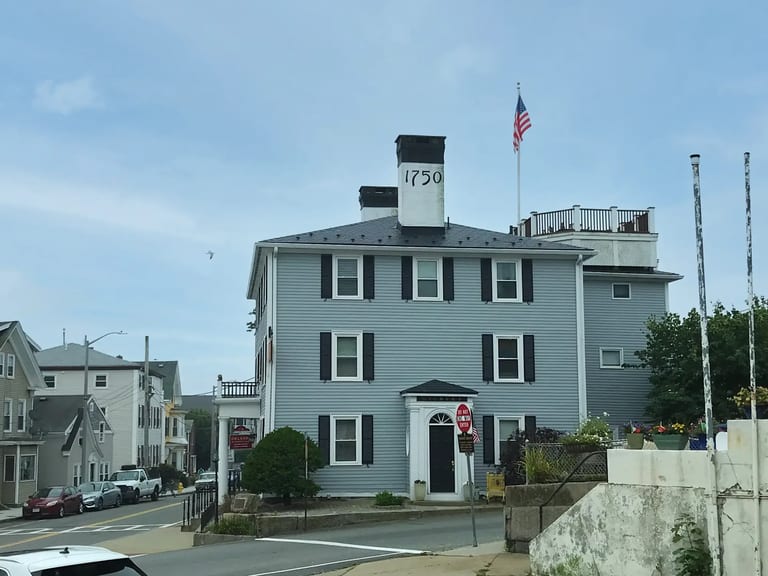
Historic Metal Slate Roofing in Gloucester, MA
The 1750 Samuel Gilbert House in Gloucester, MA — a 275-year-old colonial landmark — was preserved with a Black Interlock Metal Slate roof in 2012. It delivers the authentic look of natural slate without the crushing weight, won’t crack or split, withstands New England’s coastal weather, and carries a 50-year transferable warranty.
Read article →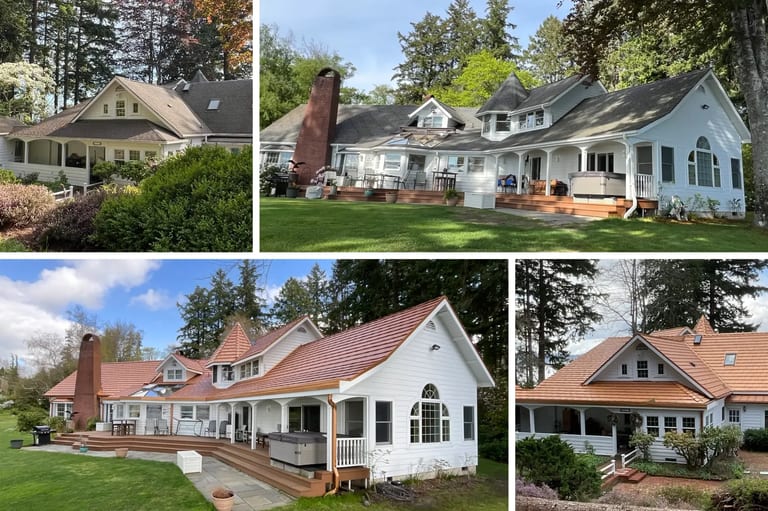
Why This Bremerton Home Chose a Roof That Doesn't Rust
A waterfront Bremerton, Washington home traded its rust- and rot-prone roof for a Copper Penny Interlock Aluminum Shake — the warm look of copper, with aluminum that can’t rust. Sealed in Alunar® coating and locked four ways against salt-laden Puget Sound wind, it’s engineered to be the home’s last roof.
Read article →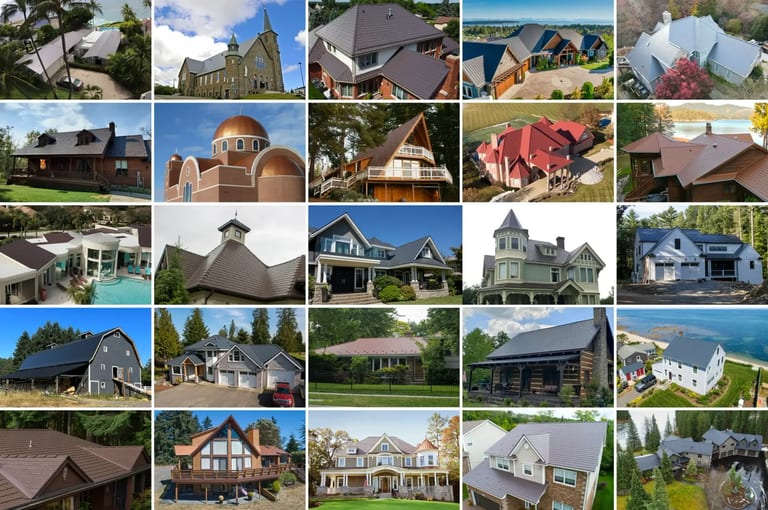
The Ultimate Guide to the Best Types of Metal Roofing for Your Home
Interlock makes six aluminum and copper roofing profiles — Slate, Cedar Shingle, Cedar Shake, Mediterranean Tile, Standing Seam, and Solid Copper. All share the same engineering: lightweight aluminum (0.41–0.59 psf), a four-way mechanical interlock, a PVDF Alunar® finish, UL 2218 Class 4 impact resistance, and a lifetime warranty.
Read article →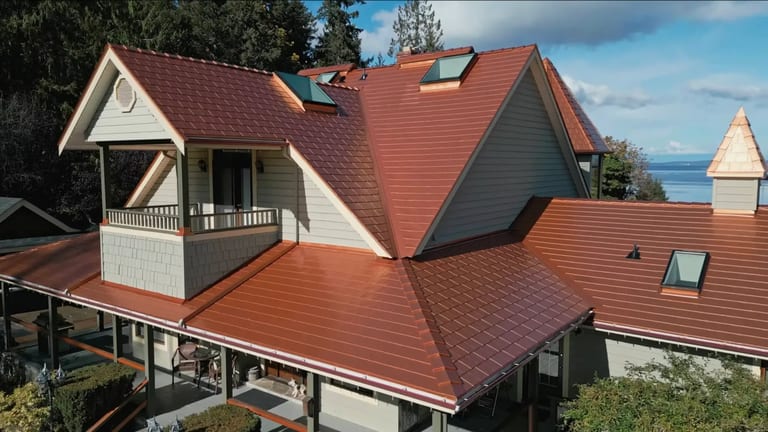
Why Aluminum Shingle Roofs Are Best for Coastal Homes
Salt air destroys ordinary roofs. Interlock’s aircraft-grade aluminum shingles can’t rust, are sealed in a marine-tough PVDF Alunar® coating, carry UL 2218 Class 4 impact resistance, and are Florida Building Code approved for High-Velocity Hurricane Zones — making them the best choice for coastal homes.
Read article →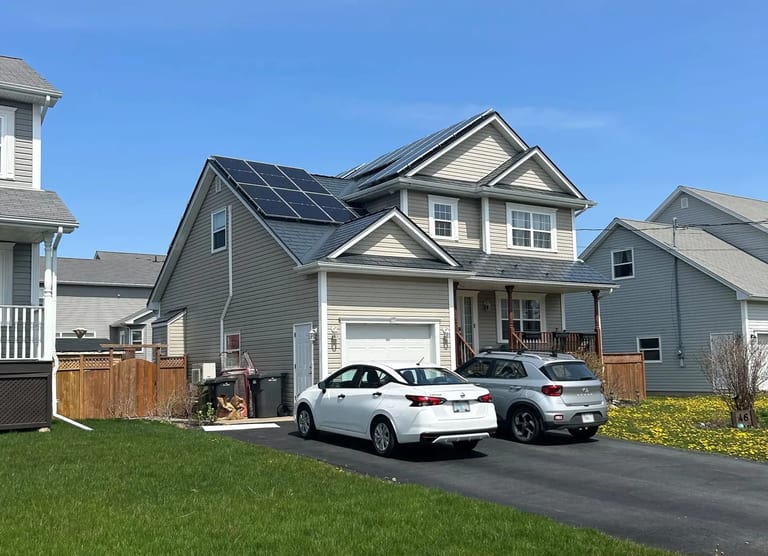
Investing in a Sustainable Future
A truly sustainable roof does two jobs: it lasts so long it’s rarely replaced, and it helps power the home. Interlock pairs a 95%-recyclable aluminum roof — made largely from recycled stock and installable over your old roof — with solar readiness, for decades of clean energy on a roof that outlives the panels.
Read article →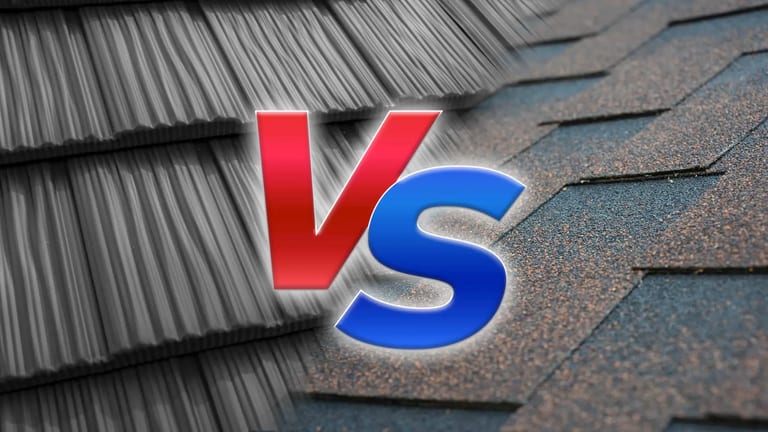
Is It Cheaper to Put a Metal Roof or Shingles?
Asphalt shingles are cheaper to install today; a metal roof is cheaper to own. Shingles run roughly $120–$400 per square and last 15–20 years, so you replace them 2–3 times over the 50+ years one Interlock aluminum roof lasts — before counting energy savings and avoided repairs.
Read article →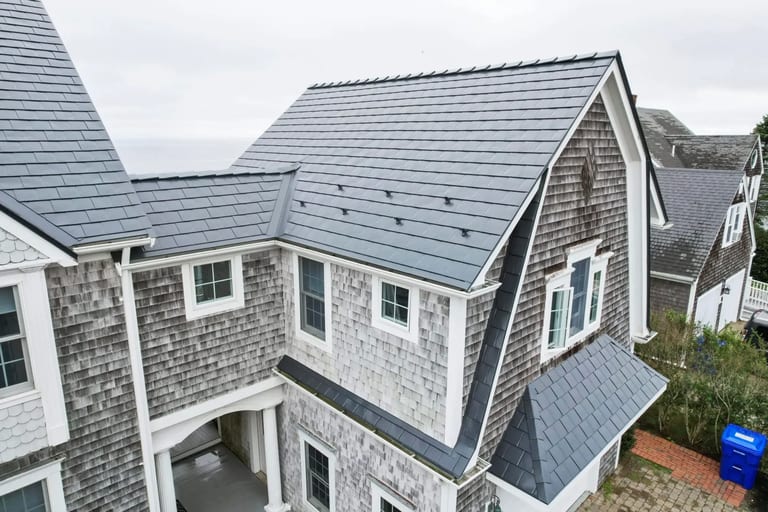
What Is Drip Edge & Why It Matters for Metal Roofs
A drip edge is a metal flashing installed along the edges of a roof that directs runoff away from the fascia and into the gutters, instead of letting it wick back and rot the wood. On a metal roof it also helps lock the panel edges down against wind uplift and seals out water at the seams.
Read article →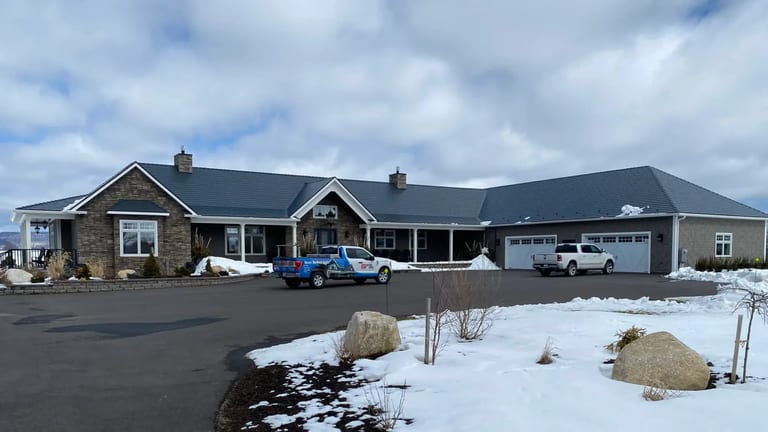
Understanding and Preventing Ice Dams: Expert Tips for Homeowners
Ice dams form when heat escaping into the attic melts roof snow, which refreezes at the cold eaves and traps water that backs up under the roof. The fixes are attic insulation and ventilation — and a smooth metal roof that sheds snow and ice before a dam can build.
Read article →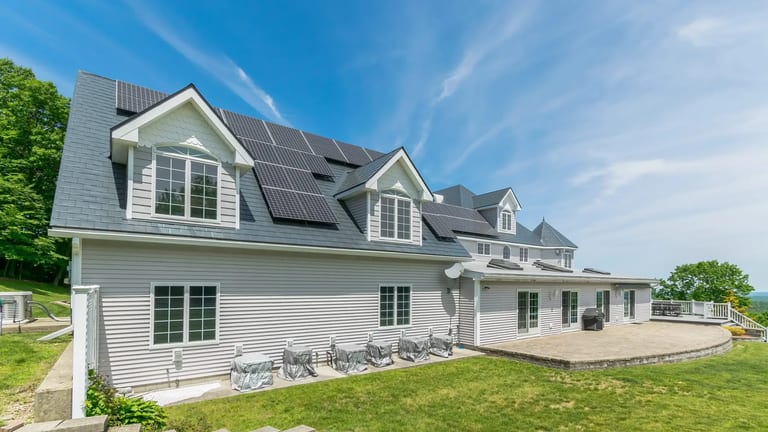
Installing Solar Panels on an Interlock Metal Roof
An Interlock metal roof is an ideal base for solar: it lasts 40–70+ years (far longer than a 25–30 year array), so you never remove panels to re-roof. Standing Seam lets panels clamp on with no roof penetrations, the install doesn’t void the warranty, and the reflective surface keeps panels cooler and more efficient.
Read article →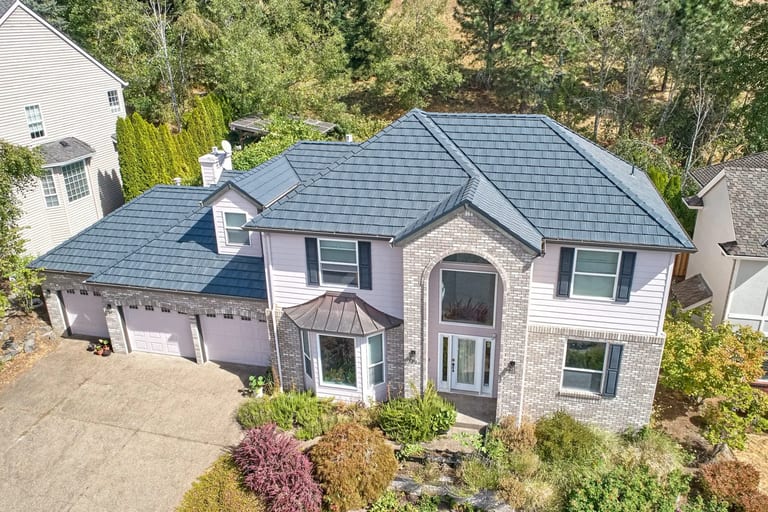
Can You Walk on a Metal Roof? Safety Tips
You can walk on a metal roof, but you usually shouldn’t. It’s slippery, you can dent panels or void coverage if you step wrong, and falls are the real danger. If walking is unavoidable, use fall protection and slip-resistant footwear and step in the right places — but for inspections and repairs, it’s safest to call a professional.
Read article →