
The Interlock Blog
Page 3 of 4.
Showing 25–36 of 38 articles
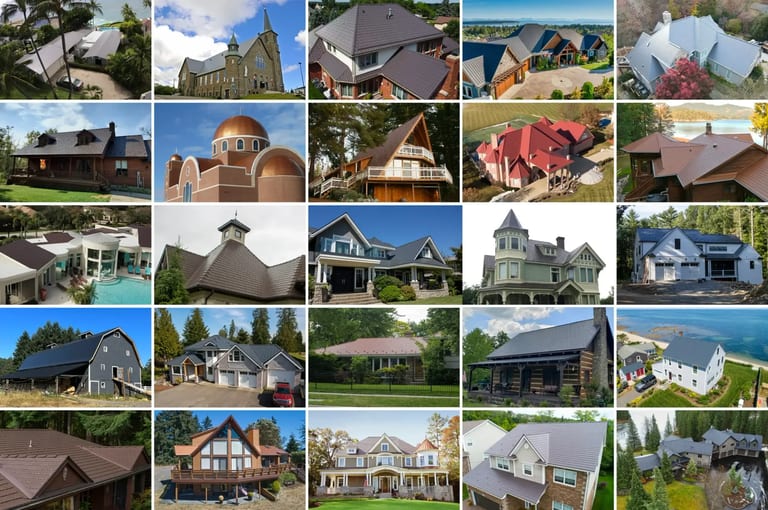
15 Most Popular Roof Types and Their Characteristics
Roof type refers to the shape of the roof — gable, hip, gambrel, mansard, flat, and a dozen more — and each has its own strengths in cost, weather resistance, attic space, and solar suitability. Whatever shape your home has, an Interlock metal roof can be formed to fit it.
Read article →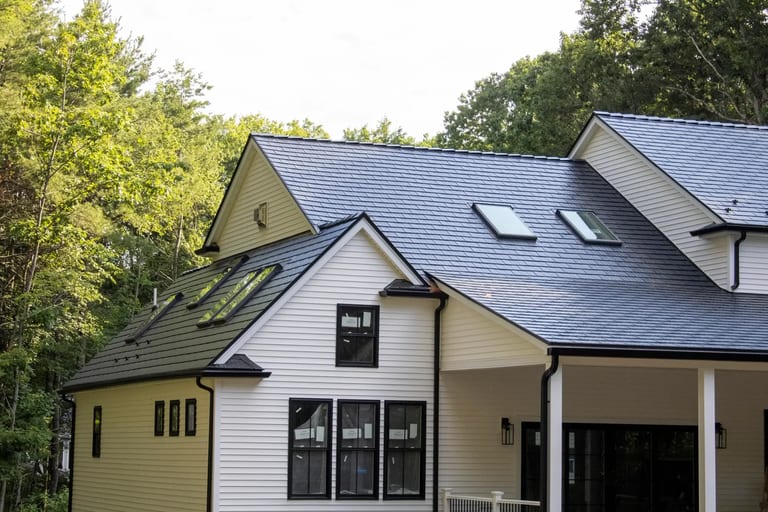
Skylights for Metal Roofs: Flashing, Mounting, and Maintenance
Yes — you can add skylights to a metal roof. Curb-mounted skylights are compatible with all Interlock Lifetime Metal Roofing Systems, integrating with the panels and flashing to stay watertight. They bring in natural light, can help with heating and ventilation, boost mood, and add value when installed properly.
Read article →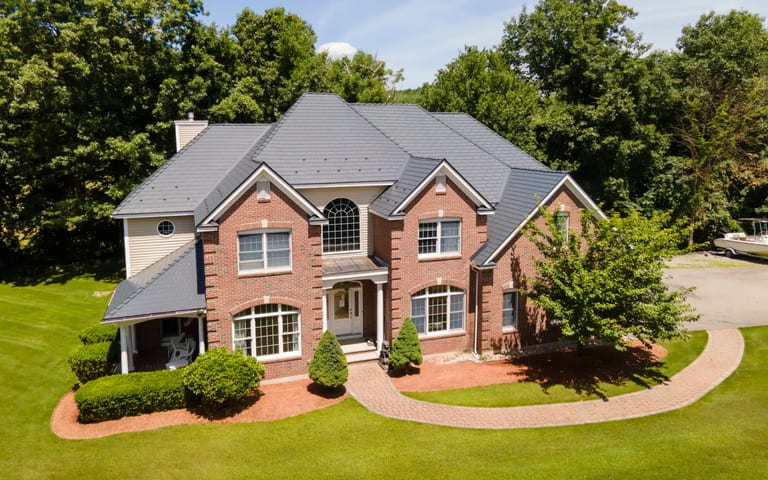
Minimum Roof Pitch for a Metal Roof
The minimum pitch for all Interlock Metal Roofing Systems is 3:12 — meaning the roof rises 3 inches for every 12 inches of horizontal run. Adequate slope lets water run off quickly and prevents pooling and leaks; for roofs shallower than 3:12, a membrane roofing system is recommended instead.
Read article →
Why an Interlock Metal Roof Is a Great Investment
A metal roof costs more upfront, but as an asset it pays back: one lifetime install instead of three asphalt re-roofs, possible insurance discounts from its Class A fire and Class 4 impact ratings, higher resale value, and a transferable limited lifetime warranty.
Read article →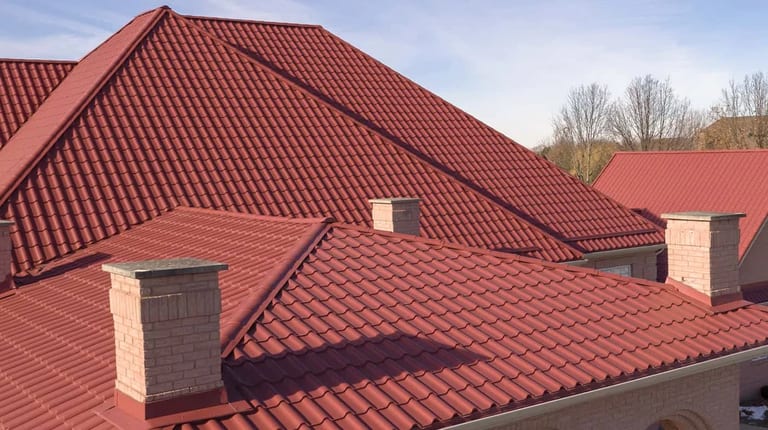
Interlock Metal Roofing Systems Are Strong
Interlock roofs are made from aircraft-grade aluminum — pound-for-pound stronger than steel, about one-third the weight, and rust-proof. Formed into a four-way interlocking panel and finished in Alunar® coating, the system is light enough to install over an existing roof yet rated UL 2218 Class 4 for impact.
Read article →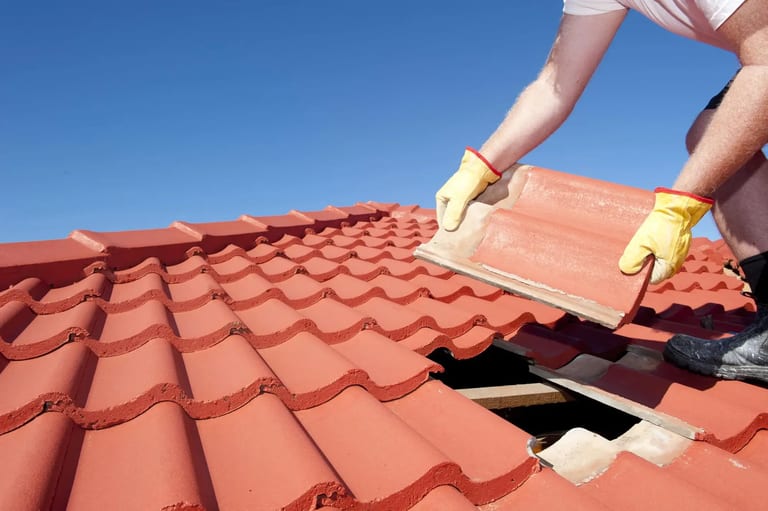
Clay or Concrete Tile Roof Problems
Clay and concrete tile roofs are beautiful and long-lasting, but they crack, slide, and chip, grow moss and stains, and sit on underlayment that fails decades before the tiles — a repair that means removing the entire roof. They’re also very heavy. An aluminum Mediterranean Tile gives the look at ~96% less weight.
Read article →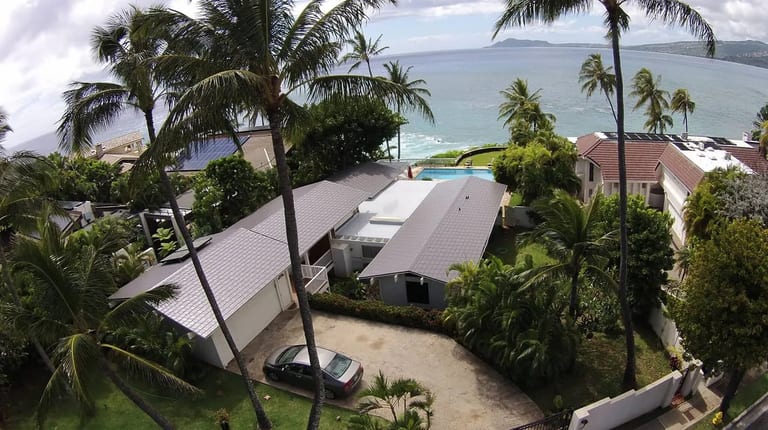
What? You Think Roofs Last Forever?
No roof lasts forever — weather wears every roof out eventually. But the gap is enormous: asphalt shingles last 15–20 years (often less), while an Interlock aluminum roof is built to last 50+. Choosing the right replacement material decides whether you re-roof once or three times.
Read article →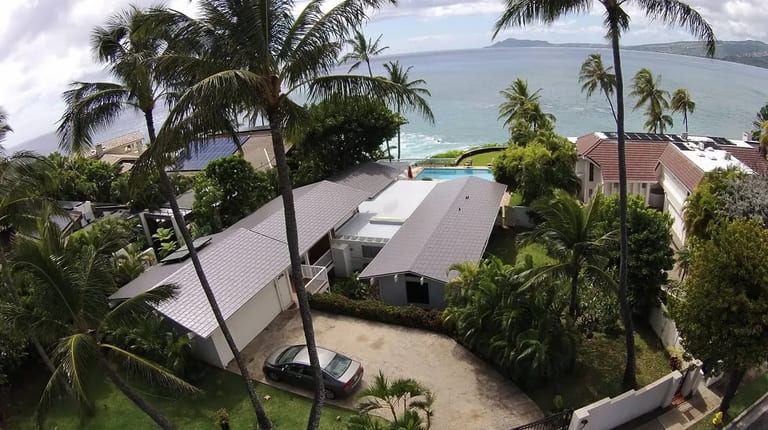
Common Asphalt Shingle Problems & What to Do
Asphalt shingles curl, crack, and blow off; lose the protective granules that shield them from UV; and grow moss, algae, and black streaks. Each problem shortens an already short (15–20 year) lifespan. A rust-proof aluminum roof eliminates all of them — no granules to lose, nothing to rot, and a 50+ year life.
Read article →
What Is Cool Roofing? CRRC Ratings & Benefits
A “cool roof” reflects the sun’s heat instead of absorbing it, which can lower cooling bills and indoor temperatures. Interlock’s Alunar® colors are CRRC-rated, with initial solar reflectance of 0.25–0.44 and thermal emittance of 0.83 to 0.86 — in a range of colors, not just white.
Read article →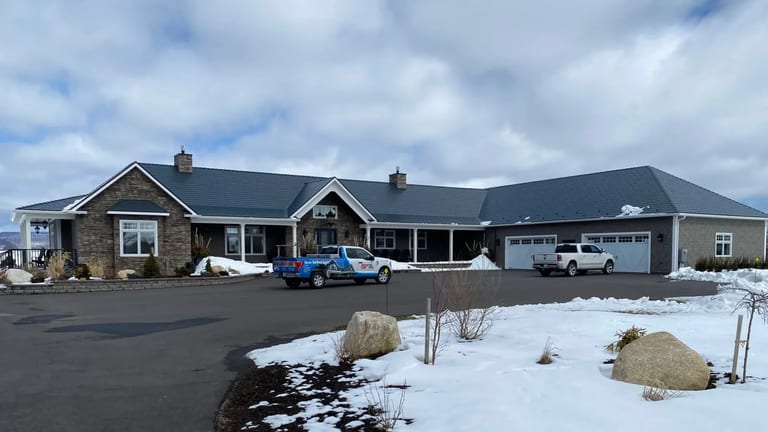
The Effects of Snow on Your Roof
Snow damages roofs by weight, not depth — and a foot of wet snow can outweigh several feet of powder. An Interlock aluminum roof adds almost no load of its own (~0.41 psf) and its smooth, four-way-interlocked surface sheds snow; one owner reported a 95% drop in roof snow load after switching.
Read article →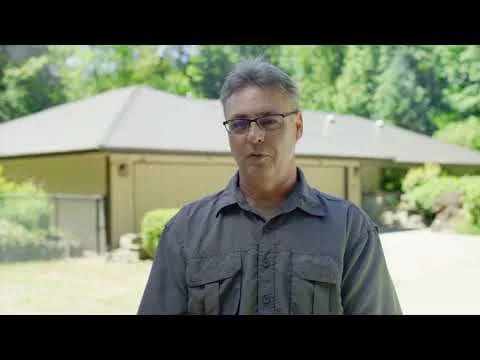
Roofing Wind Damage: 120 MPH Rated Metal Roofs
Interlock metal roofs are tested and warranted to resist 120 mph winds — Category 2 hurricane strength — and are Florida Building Code approved for High-Velocity Hurricane Zones. The secret is a four-way mechanical interlock with no exposed fasteners for wind to catch and peel.
Read article →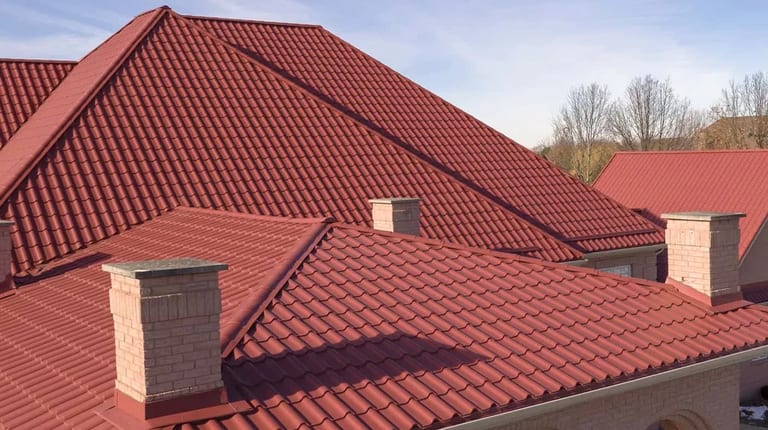
Quality Roof Materials: Why Components Matter
A roof is only as good as its weakest component. Interlock builds the whole system to last — aircraft-grade aluminum panels, stainless-steel fasteners, and cast-metal snow guards — so nothing rusts out before the roof does. It’s the quality a retired engineer noticed, and the reason the Empire State Building switched its windows to aluminum.
Read article →